In order to compare individual phones with each other, you need to have various documents with you. And it's not just about the specifications from the manufacturers. That's why there are benchmarks in which you can test individual functions in detail and, based on the exact results, it is then possible to clearly show which phone is better. When it comes to performance, AnTuTu is one of the biggest authorities. But the company's management has now announced that it is significantly changing its benchmark rules. Which may be slightly unfair to older devices.
AnTuTu published a new public version on its website and in app stores beta green AnTuTu V12. This is not just a cosmetic change. AnTuTu V12 is fundamentally changes basic algorithms calculations, test items, but also the way the score is calculated. I don't think there's anything wrong with that, because the new procedure is better adapted to modern smartphones. The biggest problem, in my opinion, is that there will be no retroactive adjustments to the older benchmark 11.
Older and new results will literally be incomparable. And the score Galaxy S26 For example, FE may be significantly different than for Galaxy S25 FE – and that's without Samsung taking much credit for it. So the change could end up being very controversial.
You might be interested in

AnTuTu takes into account real-world performance
And why will the benchmarks be calculated differently? According to the company's explanation, the previous results did not reflect real functioning of phones in the real world. Some were gaining 2 million points, others were approaching 3 million, the most basic ones had only 200,000 points. But that said little about their regular use:
- For example Galaxy S25+ received a score of 2,104,727 points in AnTuTu,
- Galaxy Z Fold7 earned a nice 2,123,534 points,
- Galaxy A56 boasts a score of 894,862 points.
But these numbers don't tell the layman much. On the contrary, he will feel that Galaxy S25+ a Galaxy Z Fold7 are de facto the same phones. Which is not true at all.
Gallery


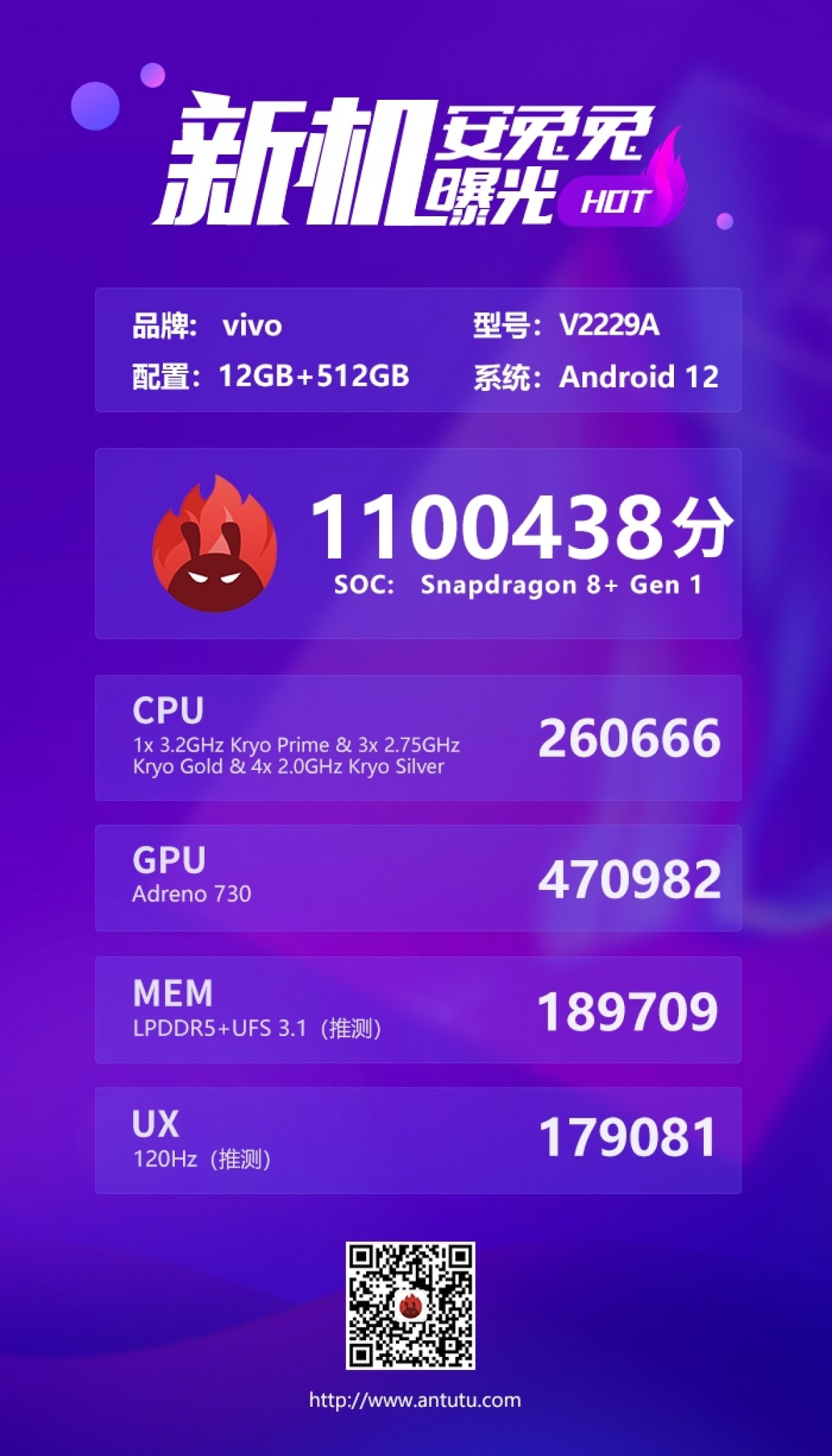

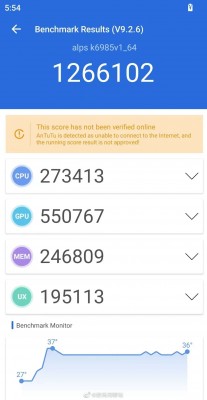
Therefore, the rules for testing CPU, GPU, memory and UX are being adjusted. The single-core and multi-core performance results will no longer take into account only raw performance and will focus mainly on how well the phone handles switching between individual frequencies. In the graphics area, the ranking will look at 3D scenes with soft shadows and realistic lighting that will show off the capabilities of the chips. But there are also other new features:
- Cooperative Matrix test based on the Vulkan interface
- dynamic latency stress test
- memory fragmentation test
- new algorithms tracking actual operating system rendering and input responses
- support for 16 KB memory page size
The results will show us how smooth the phone is, how well it can handle demanding games, whether its storage is fast enough or whether there is a risk of system animations getting stuck. To show what the new results look like, AnTuTu published new benchmarks performed under laboratory conditions (room temperature 26 °C, battery charge level above 80% and display brightness set to 300 nits). You can see them in the gallery above. However, it is a sad fact for Samsung that it has no representative among the TOP phones.
I think the new type of measurement is much better, fairer and more realistic. So far, some of the results have seemed monstrous to me, but I couldn't really tell the difference between a score of 4 million and 3 million. Now I believe that the benchmark will be more informative. But it's a shame that the scores of older phones won't be redone and it won't be possible to compare them with their successors. That's the biggest disappointment for me.