
Disappearance Bluetooth stylus functions S Pen u Galaxy S25 Ultra a Galaxy S26 Ultra has so far been explained primarily as Samsung's attempt to simplify the design of the phone. But now there is an interesting connection. After years, Samsung has ended a patent dispute with Power2B, which concerned technologies for controlling devices without physical contact. Which is precisely the possible reason for the removal of this essential function.
Companies Samsung a Power2B agreed to definitively end the dispute that had dragged on for several years. Power2B claimed that Samsung had used motion recognition technology over the device it had presented to the company in the past. Although the deal did not come to fruition, Samsung then introduced a very similar option. Which Power2B did not want to dochat It is not clear, however, how exactly the court case ended, as the financial and licensing terms of the agreement were not disclosed.
You might be interested in
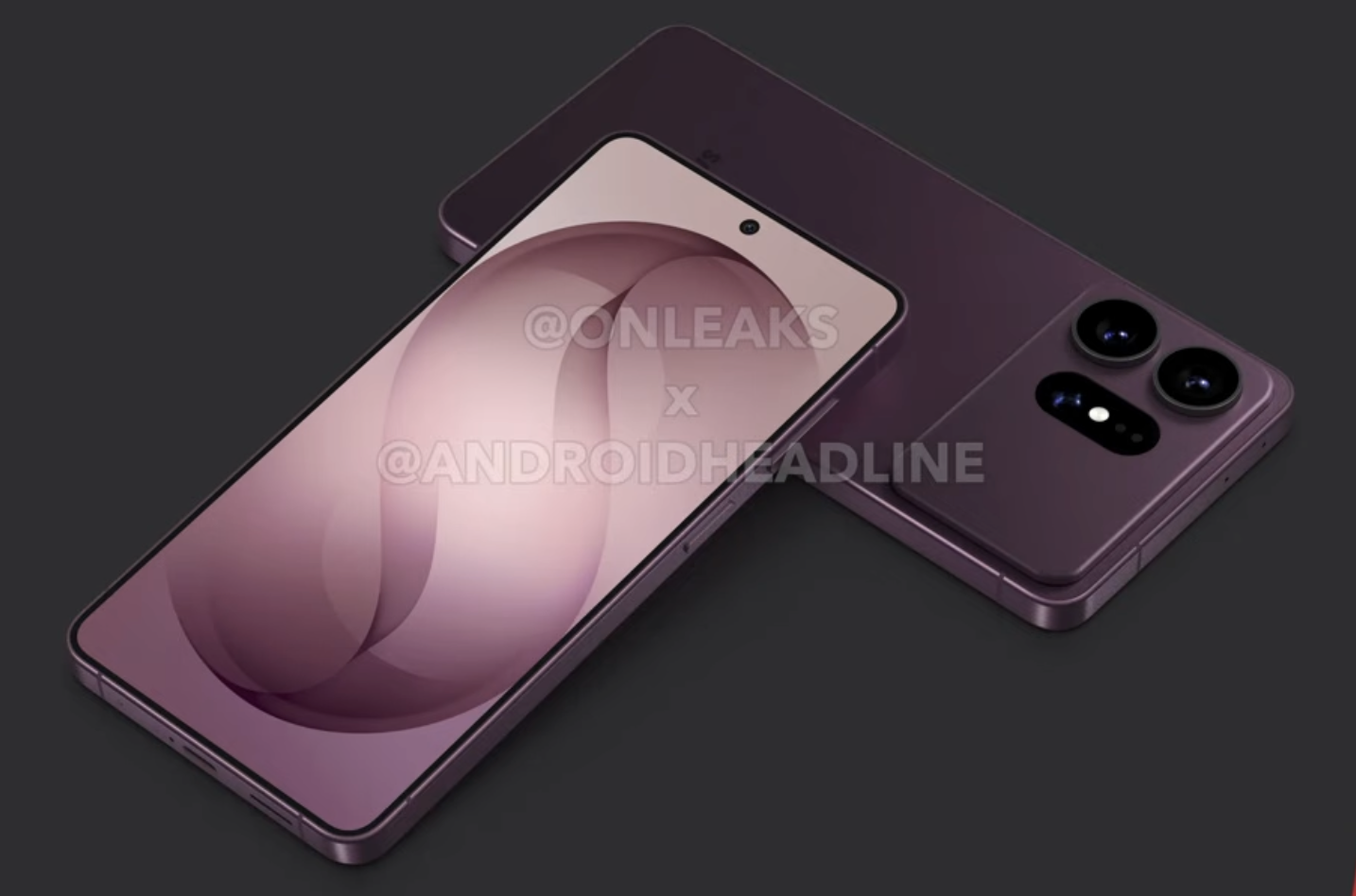
Stylus connection S Pen but it is obvious. Samsung experimented with touchless control of phones years ago and, for example, Galaxy S4 It allowed you to change songs, browse the web, or answer calls using gestures above the display. And later, a similar idea was reflected in the advanced features of the pen S Pen.
Zmena S Pen u Ultra models
U Galaxy S25 Ultra a Galaxy S26 Ultra however, Samsung removed the option from the pen Bluetooth Low Energy. S Pen therefore cannot connect wirelessly to the phone, charge inside its body, or use remote gestures known as Air StocksAnd many users are still bearing it very heavily.
Now it seems that the aforementioned patent dispute may have been behind this. But Samsung could also have had a much more pragmatic reason. The technology described in the lawsuit concerns more general contactless motion recognition, while Air Actions on previous models S Pen were based on Bluetooth communication.
Gallery
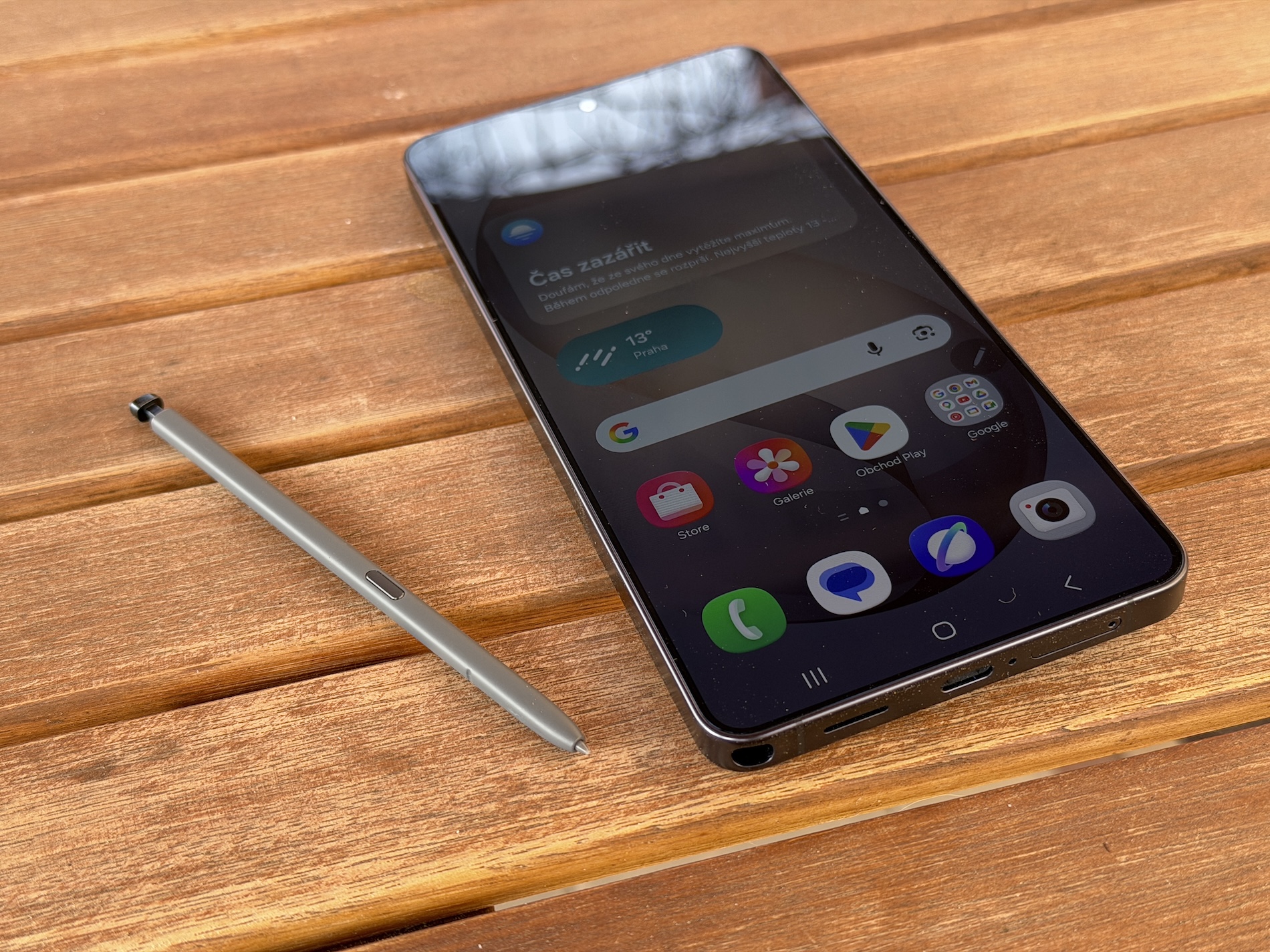
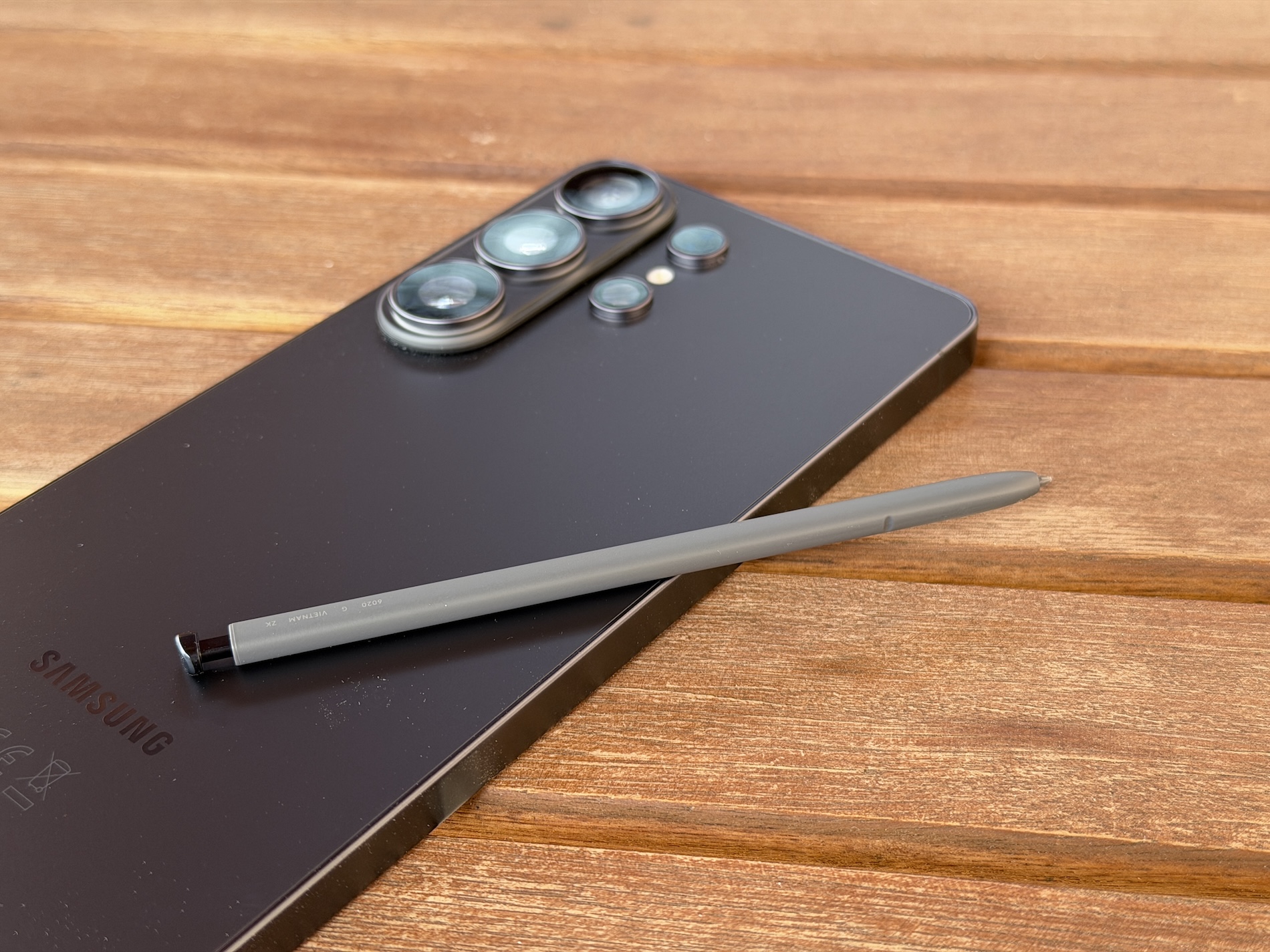
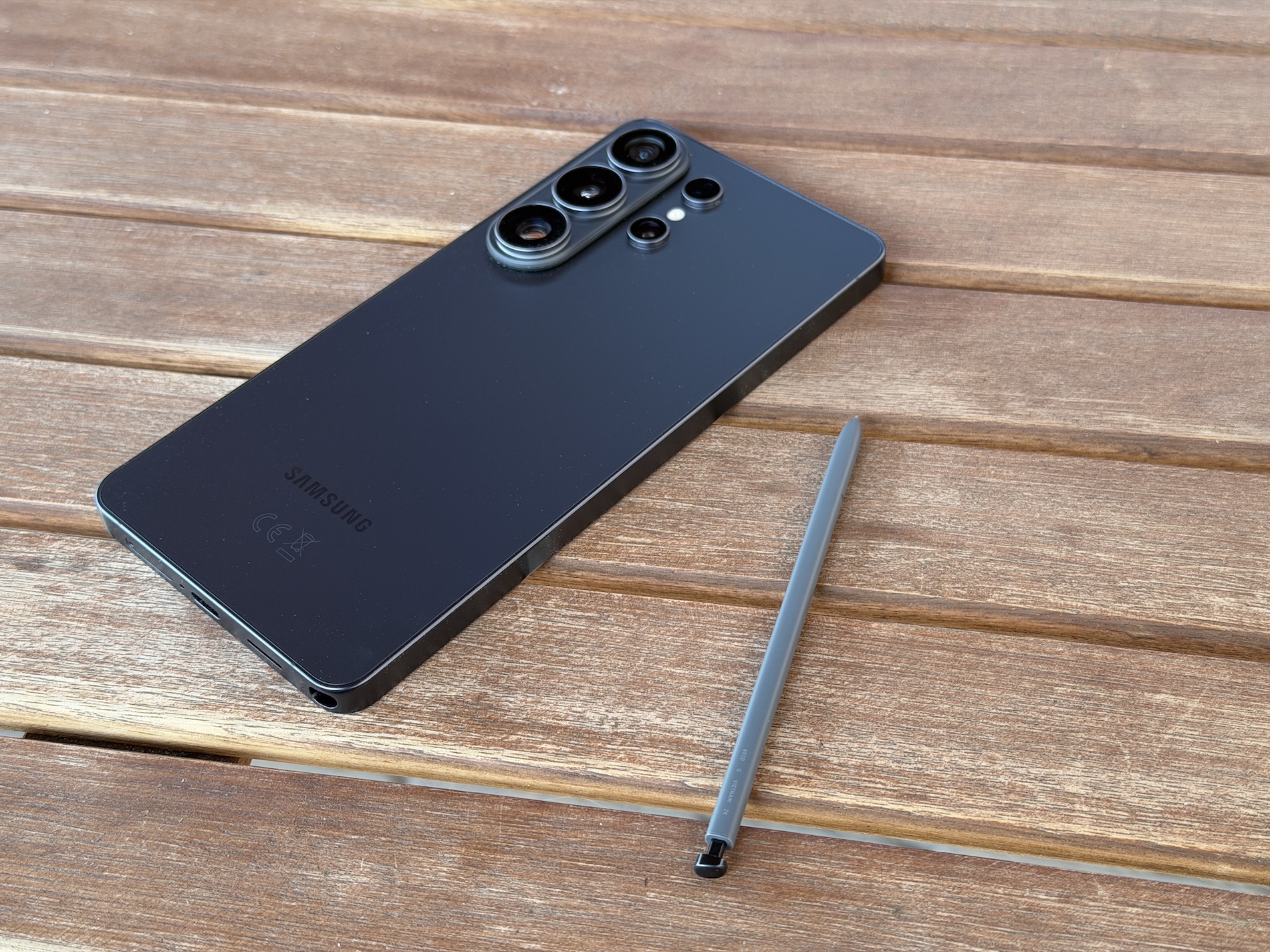
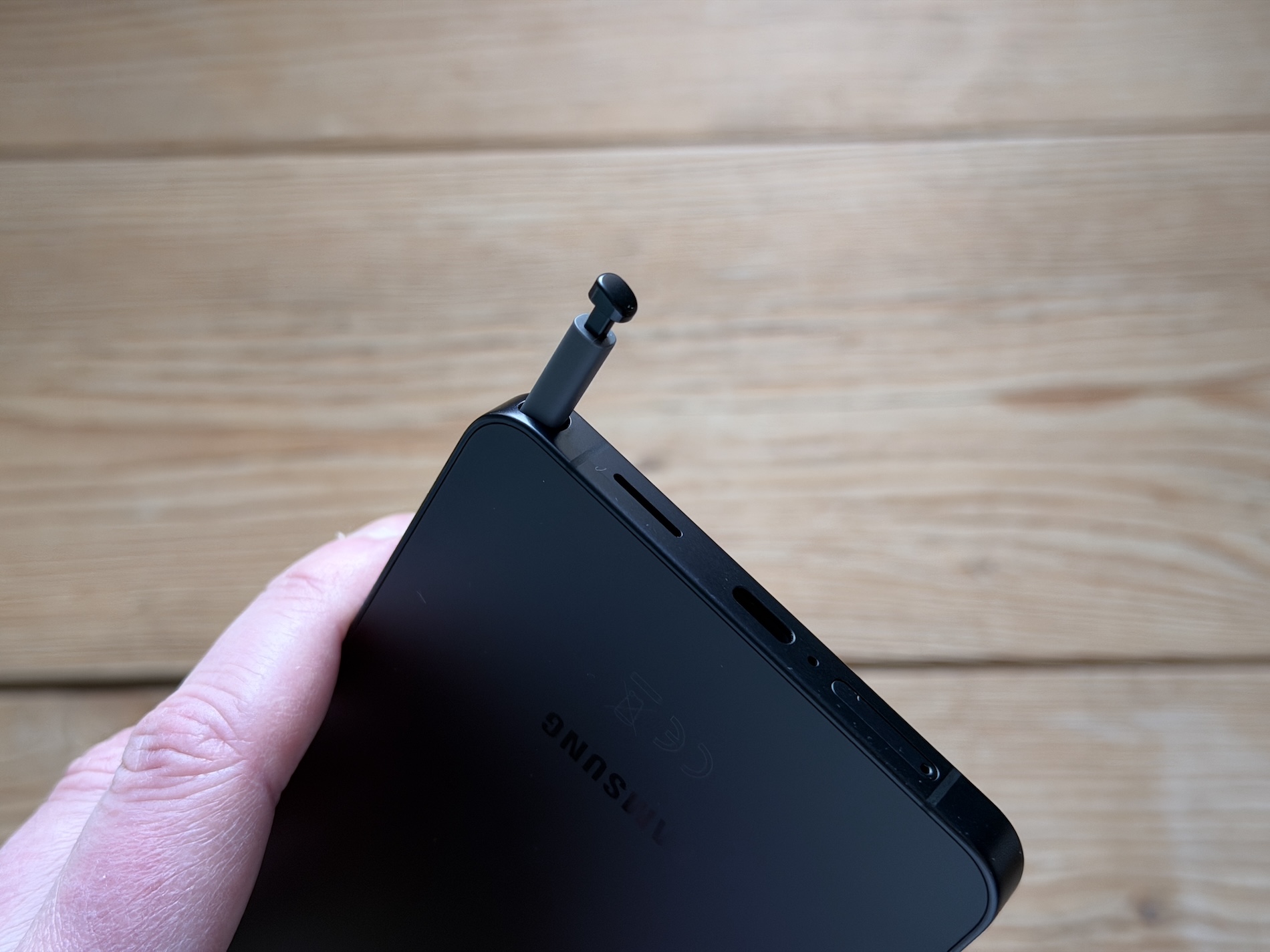
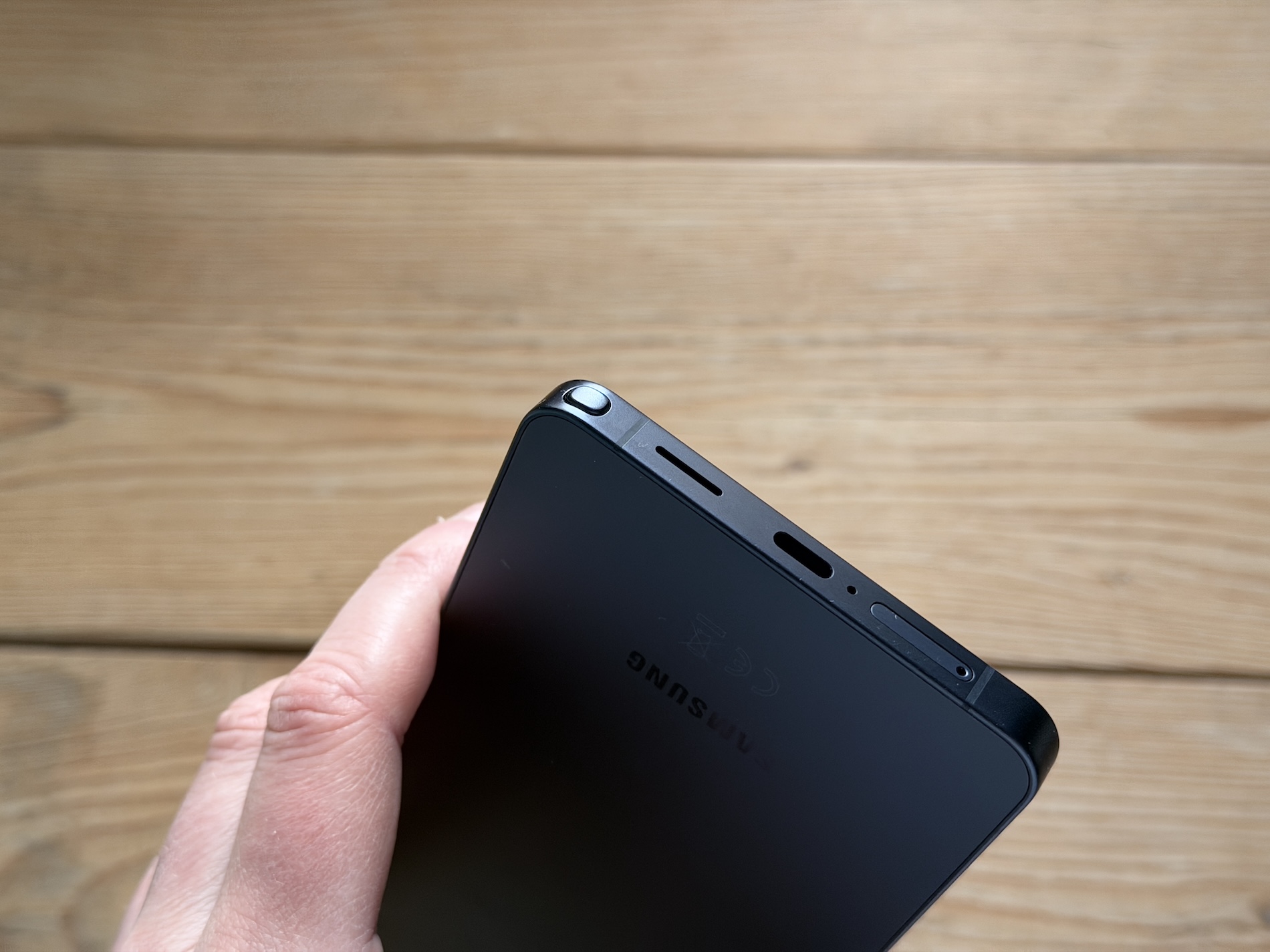

The most likely explanation is therefore considerably less dramatic – Air Actions only used minimother of people (according to earlier information, it was less than 1% of users) and for Samsung it could have been Bluetooth The module in the pen is an unnecessary burden. Its removal means a simpler design, fewer components and therefore a lower production cost.
The timing of the end of the Power2B dispute is undoubtedly interesting, but direct evidence is lacking. At present, it cannot be said that the patent dispute has prepared the owners of newer Galaxy Ultra o Air Gestures. It's much more likely that Samsung simply reevaluated what it has in a modern S Penu real value. And unfortunately it is uncertain whether Bluetooth will return to the next generation.
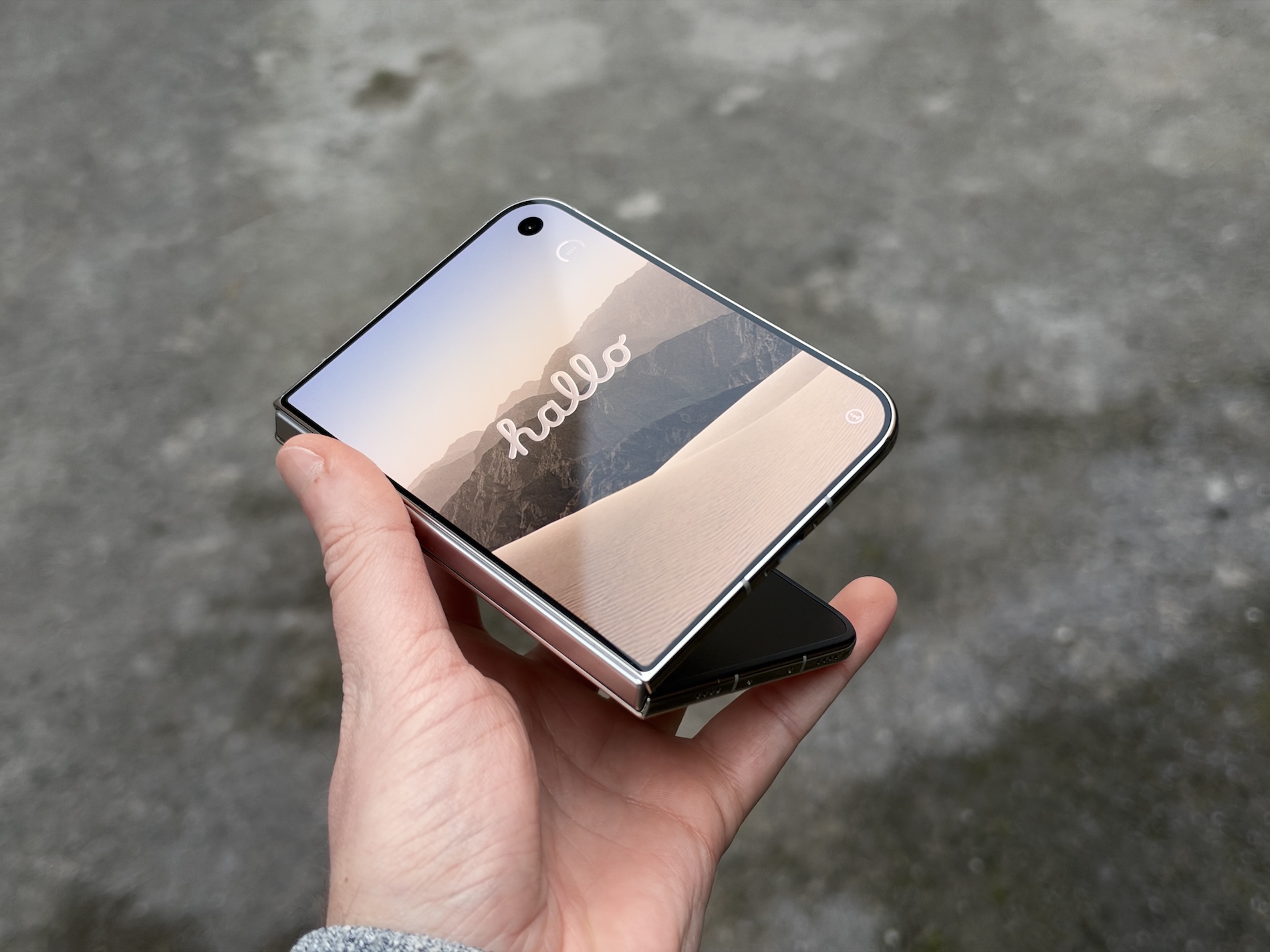

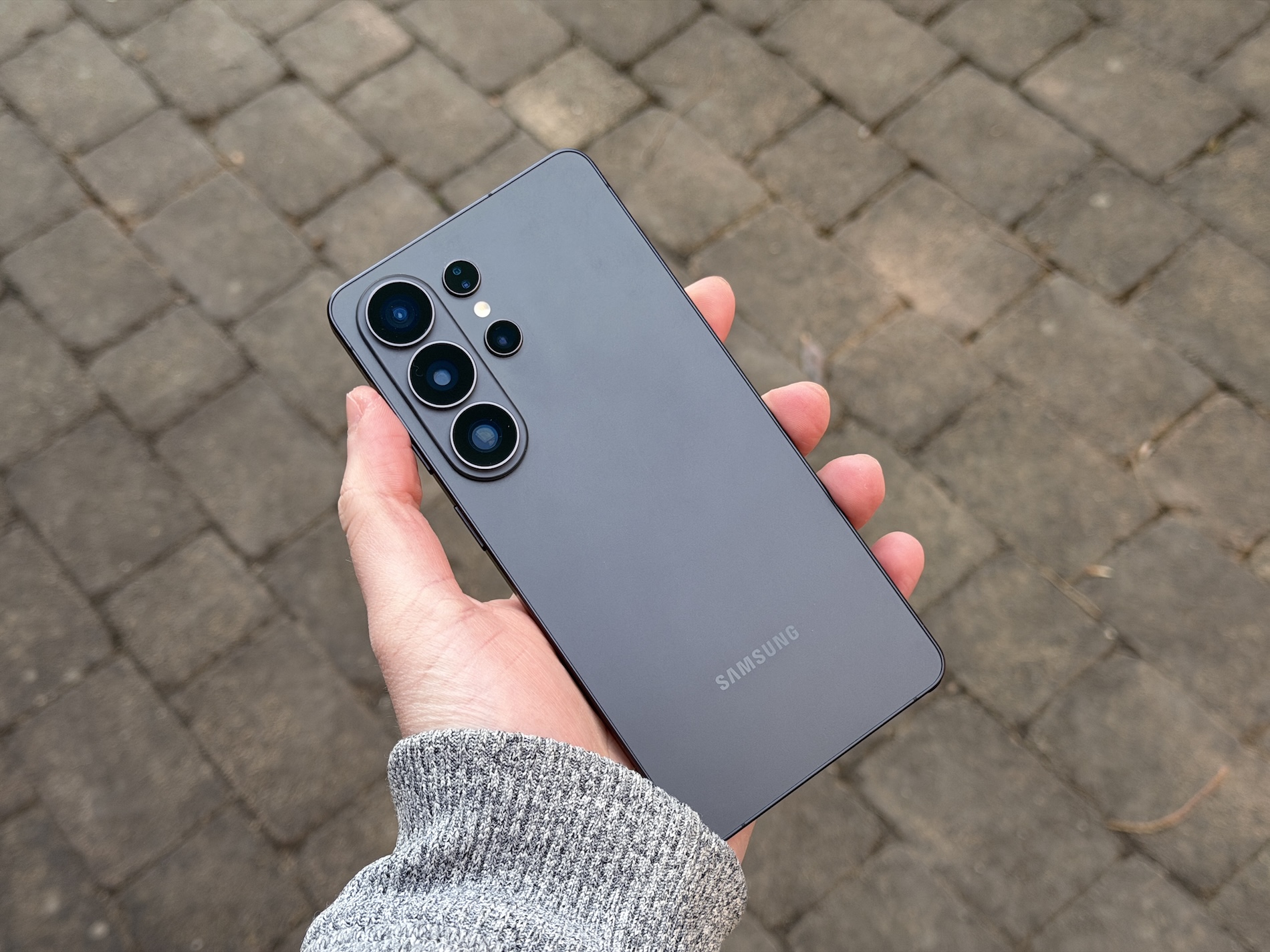

Given that this feature is still retained on tablets, this theory has quite a few flaws.