
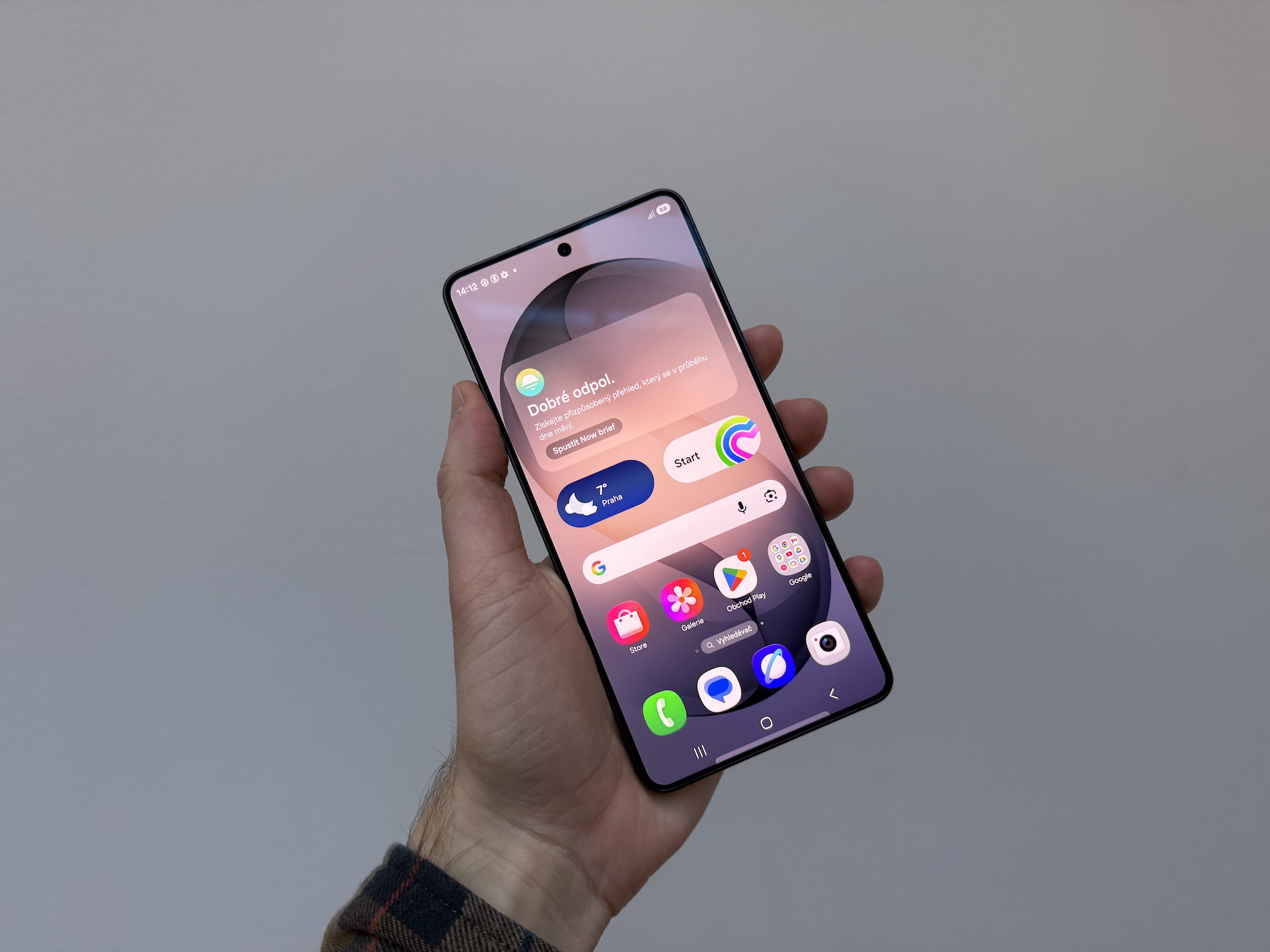
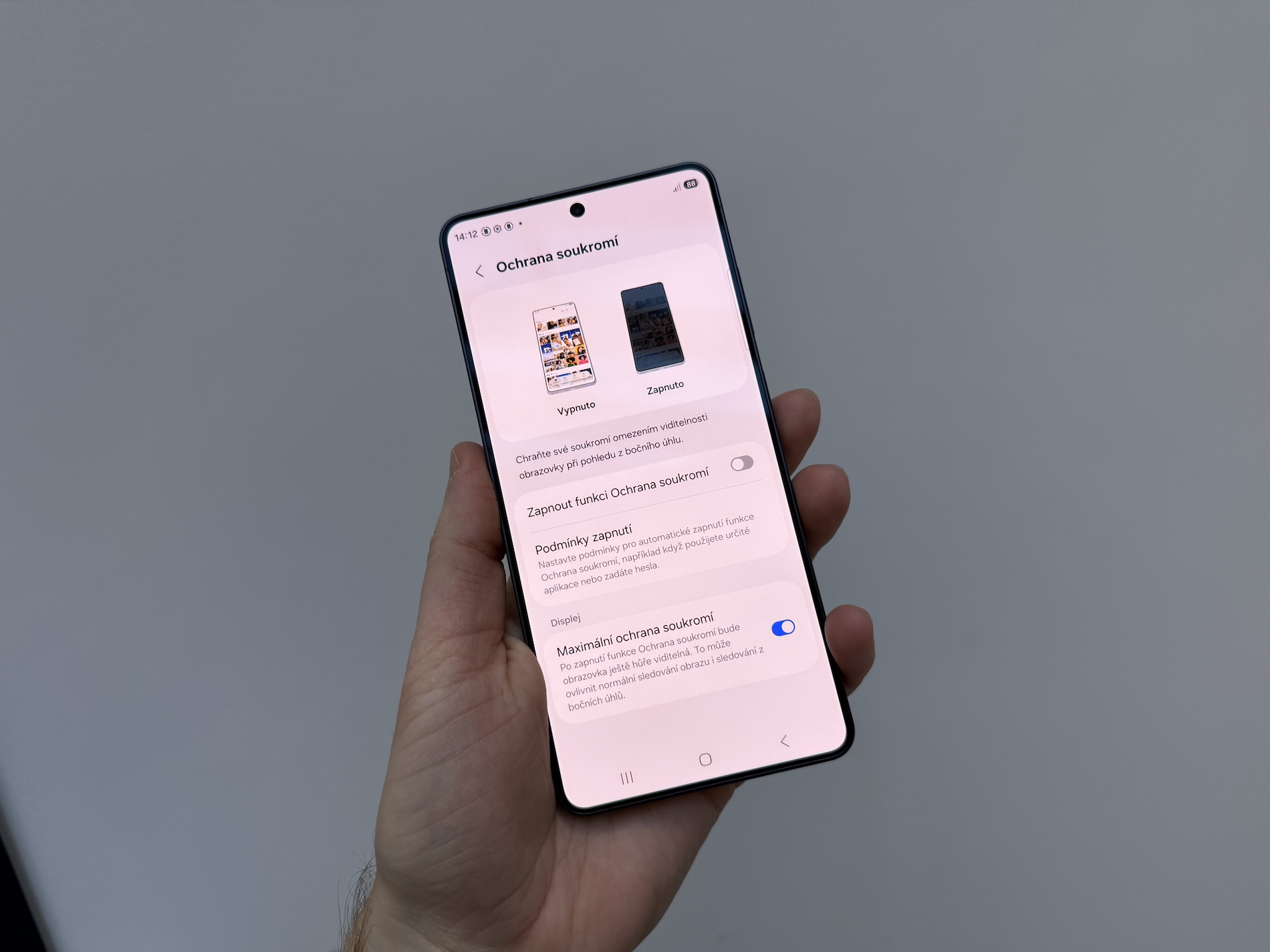
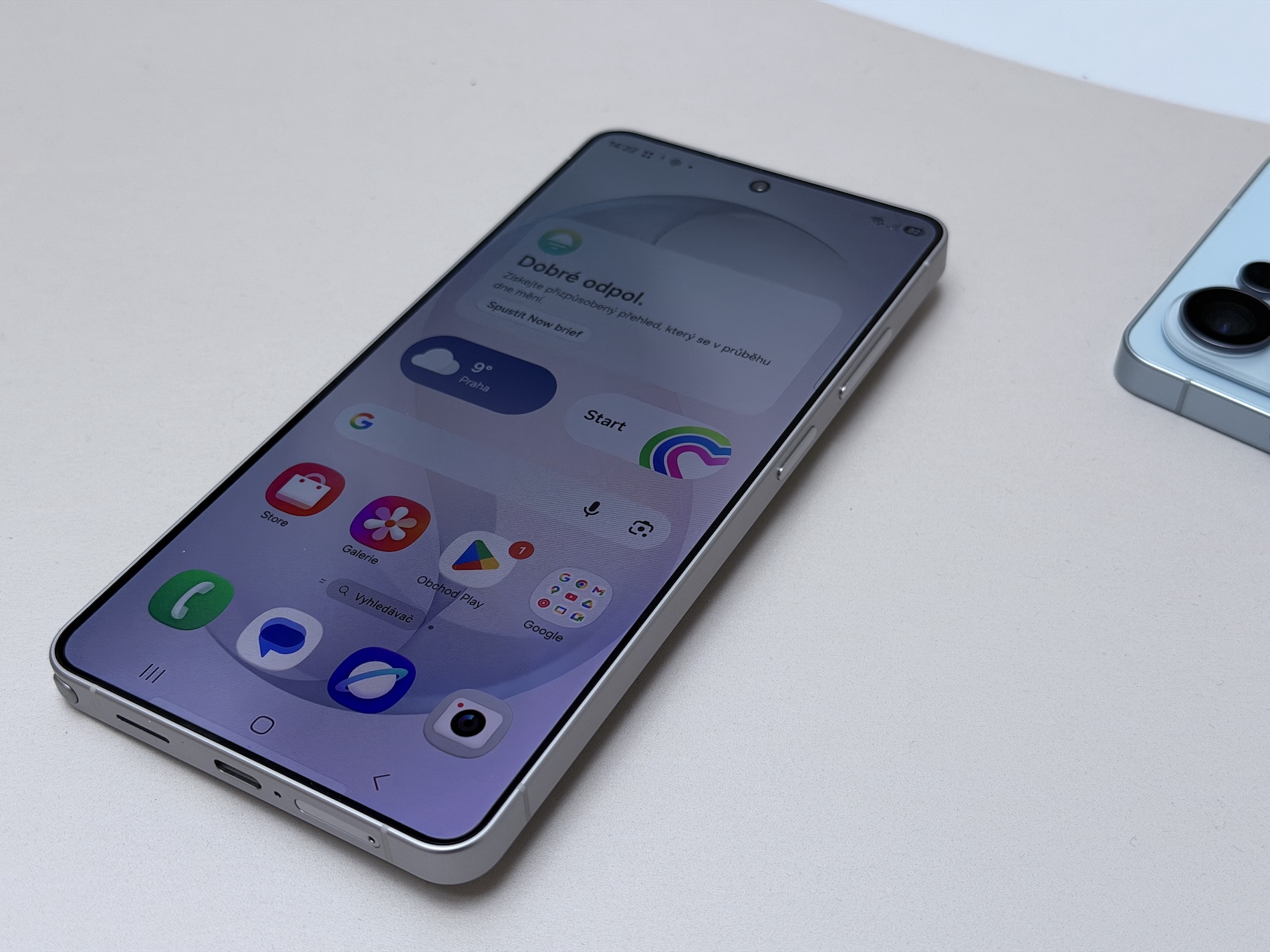
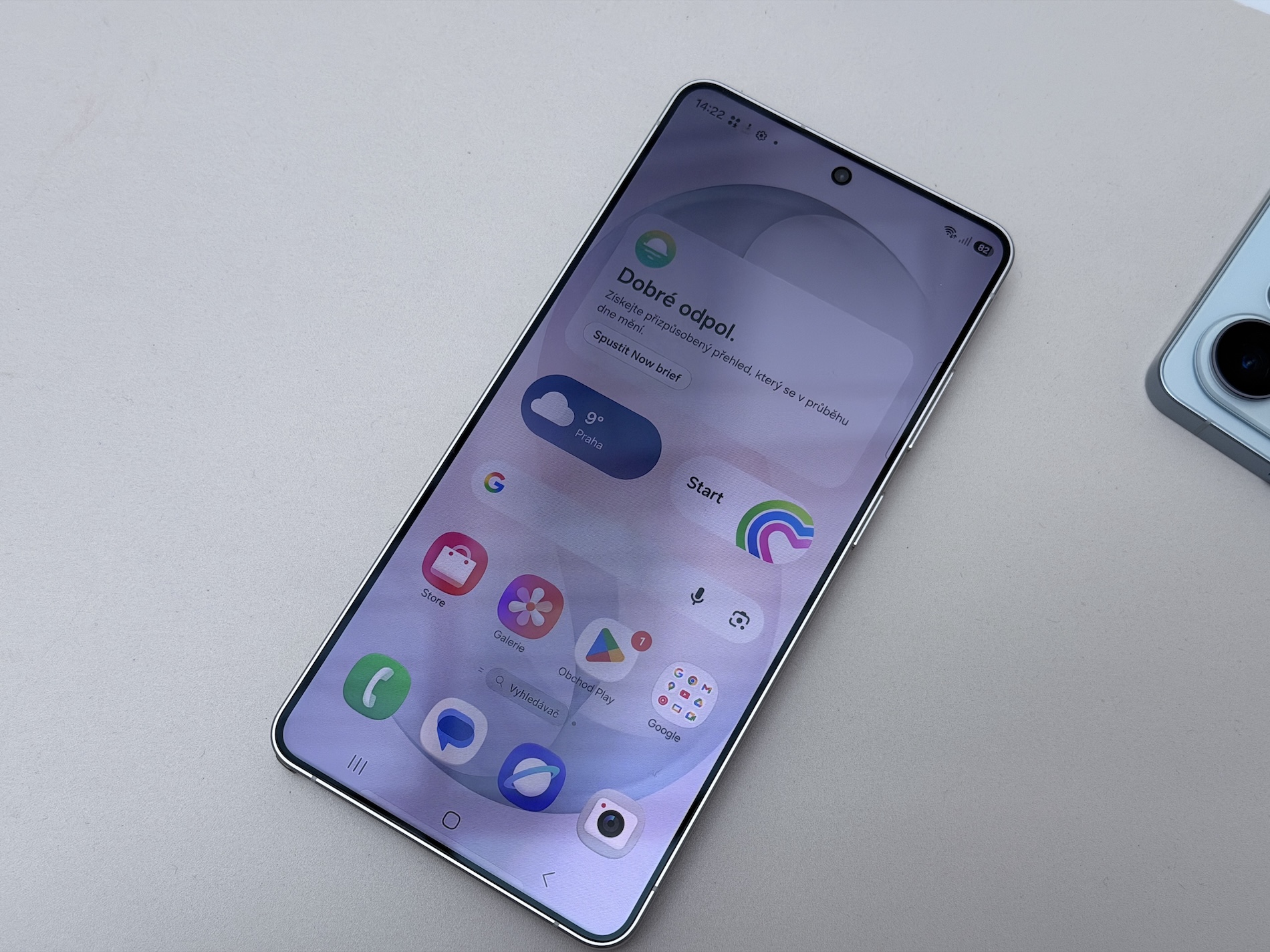
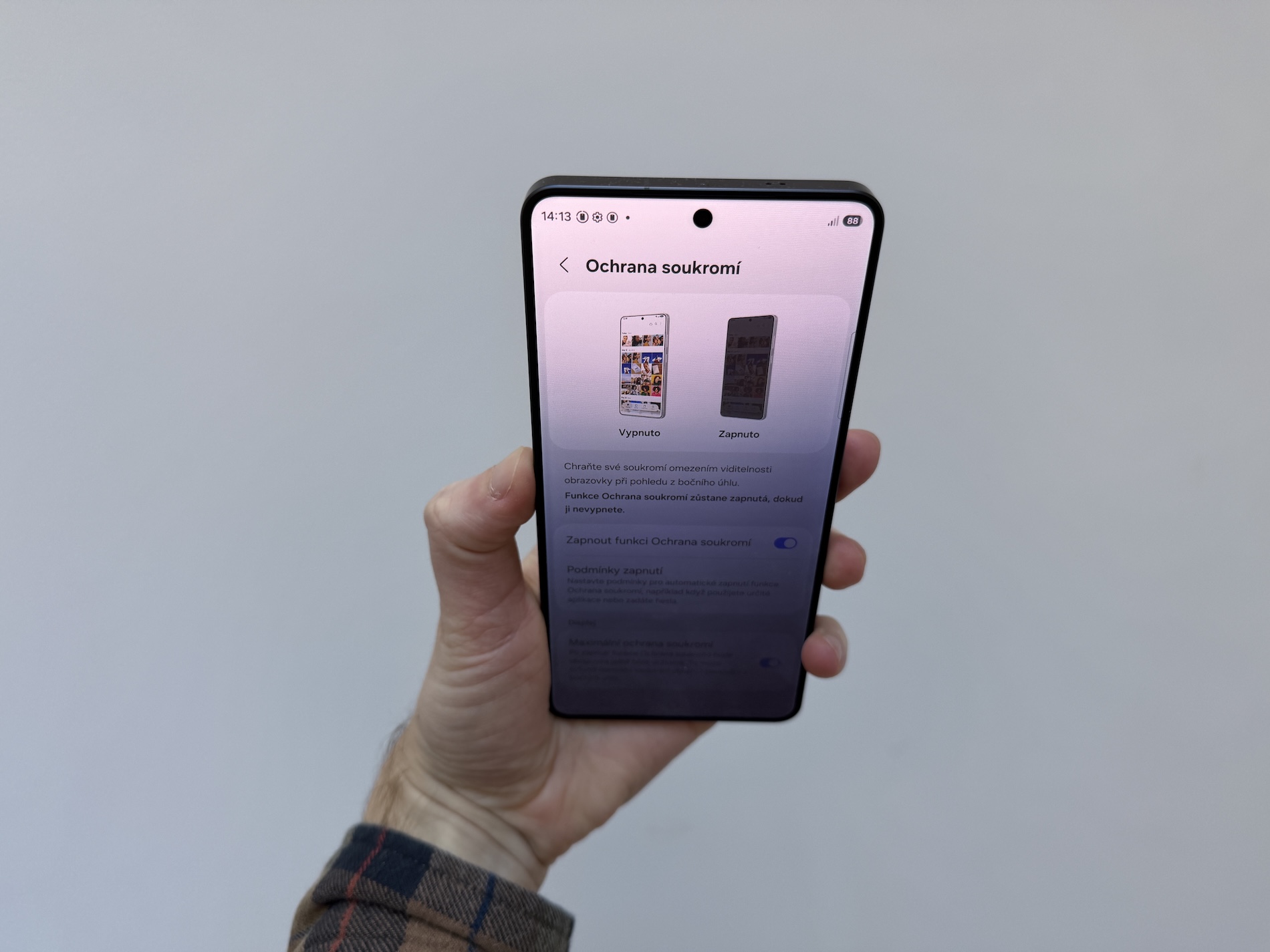
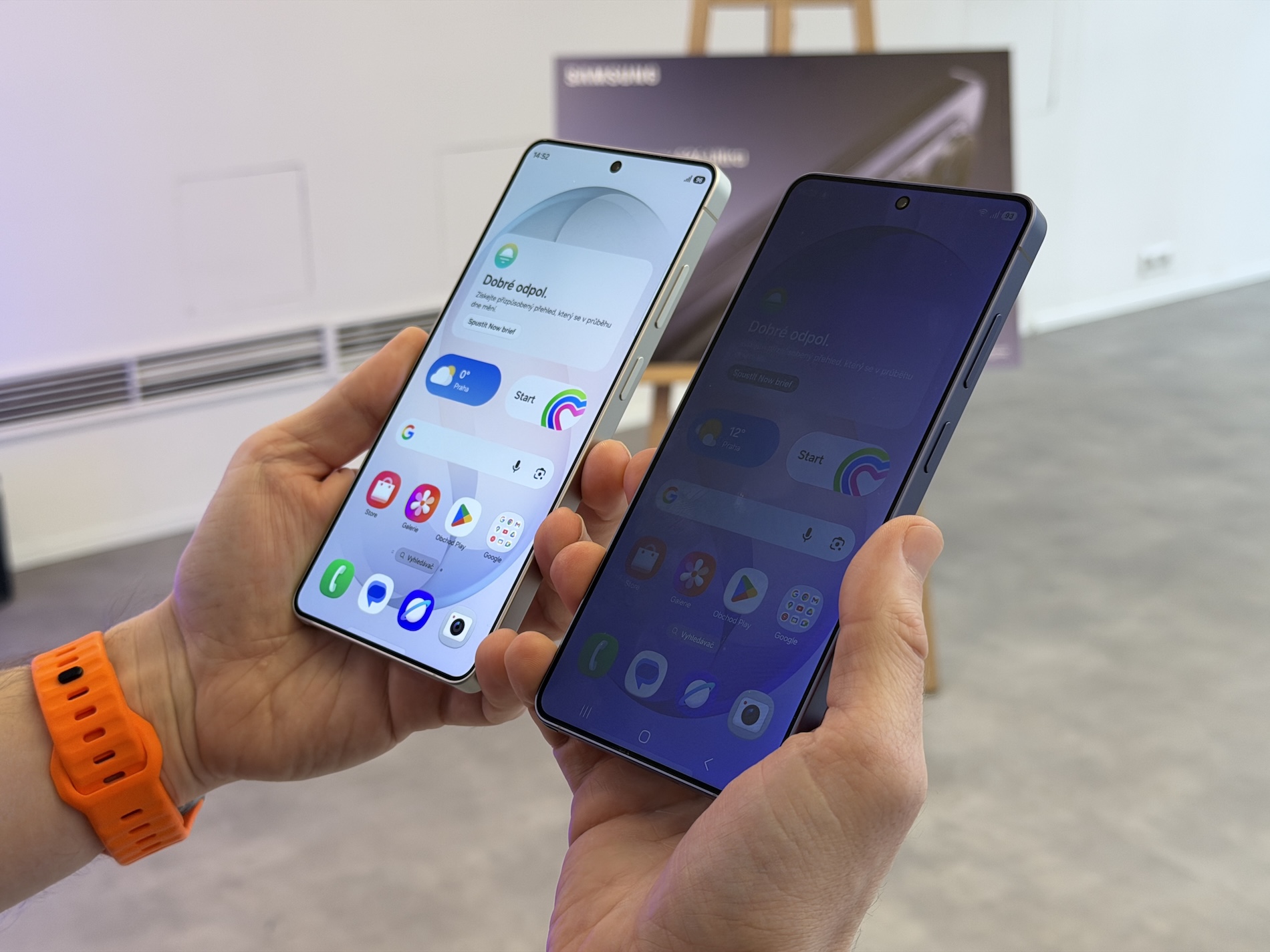
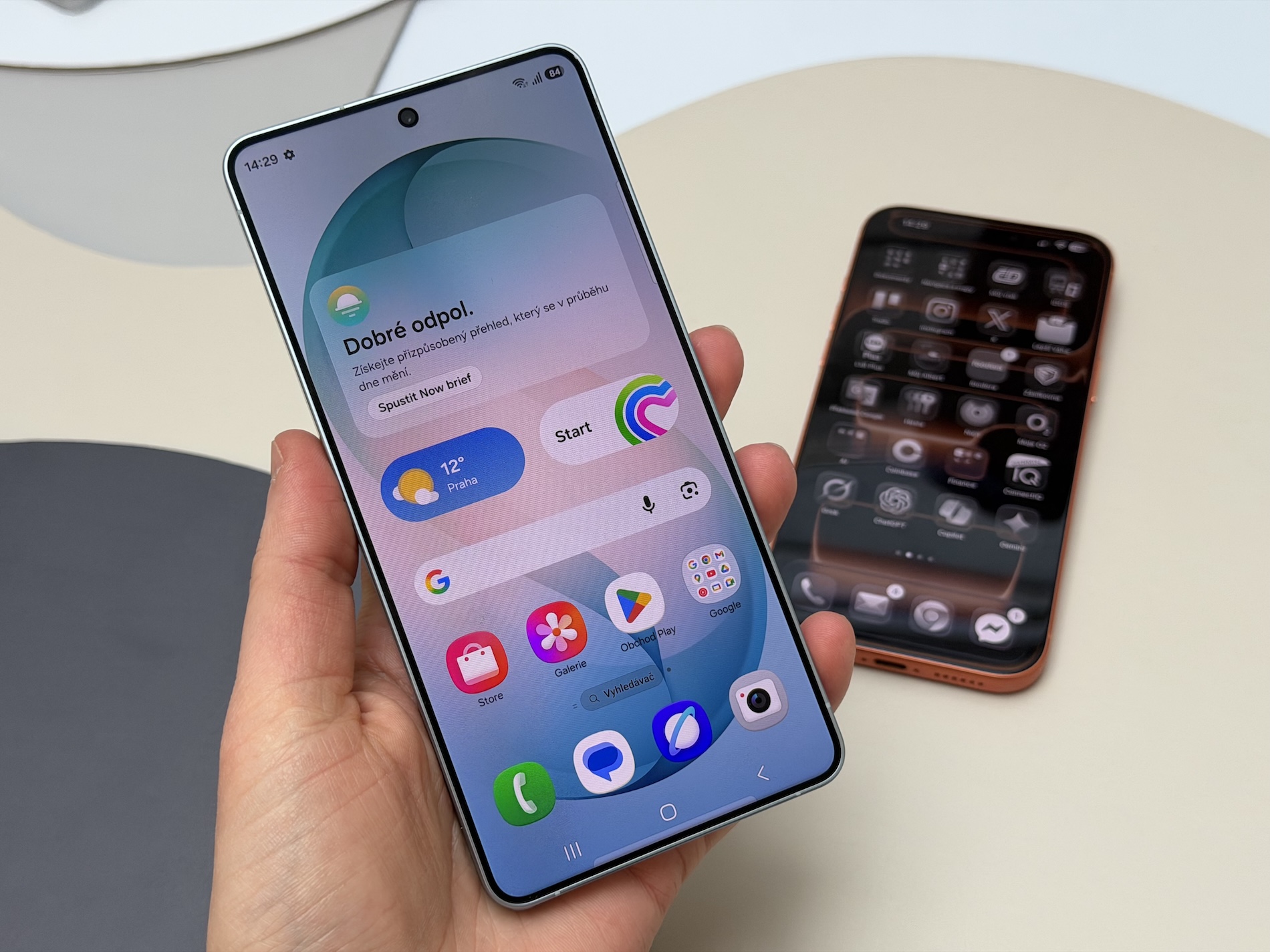
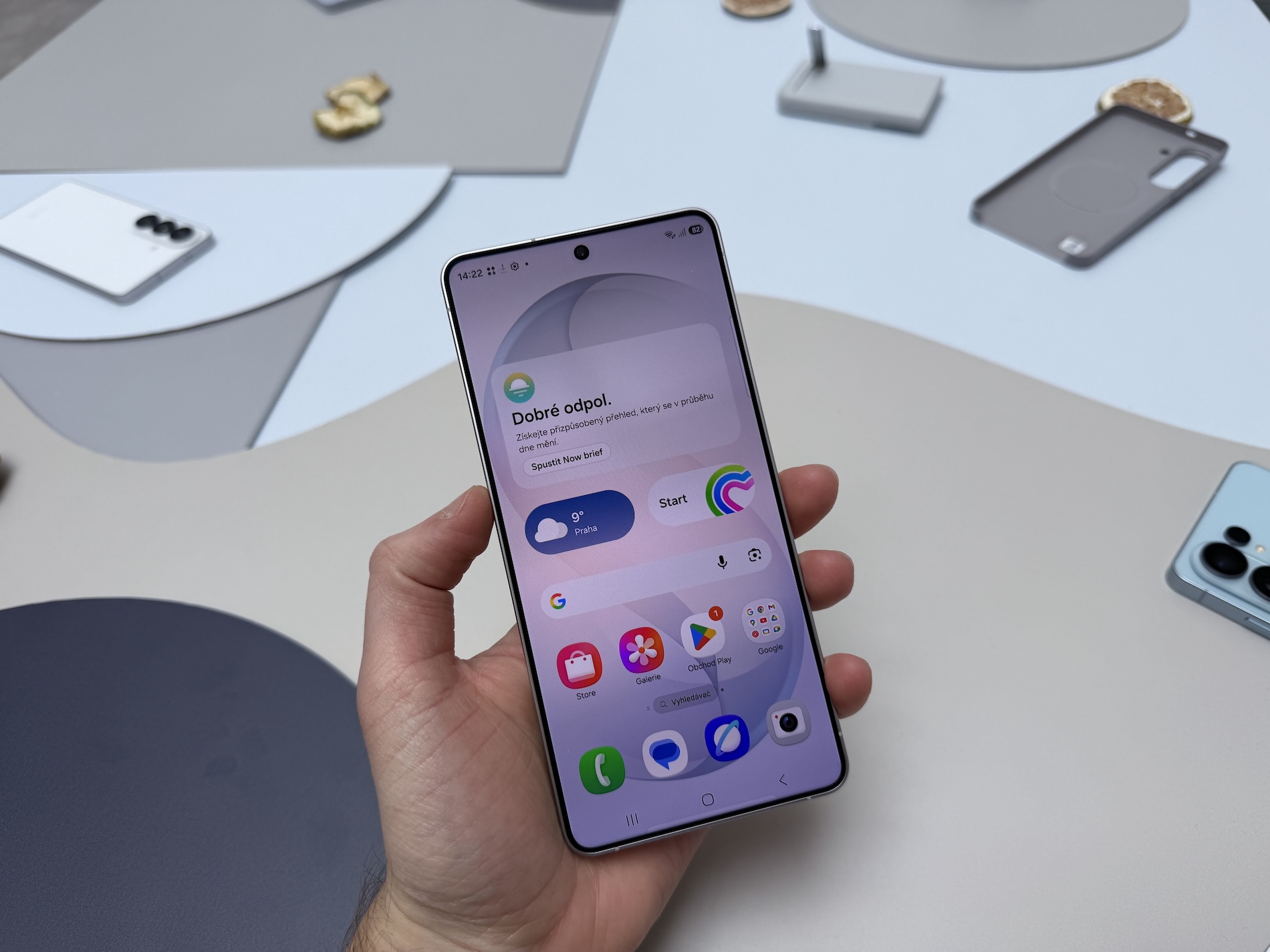
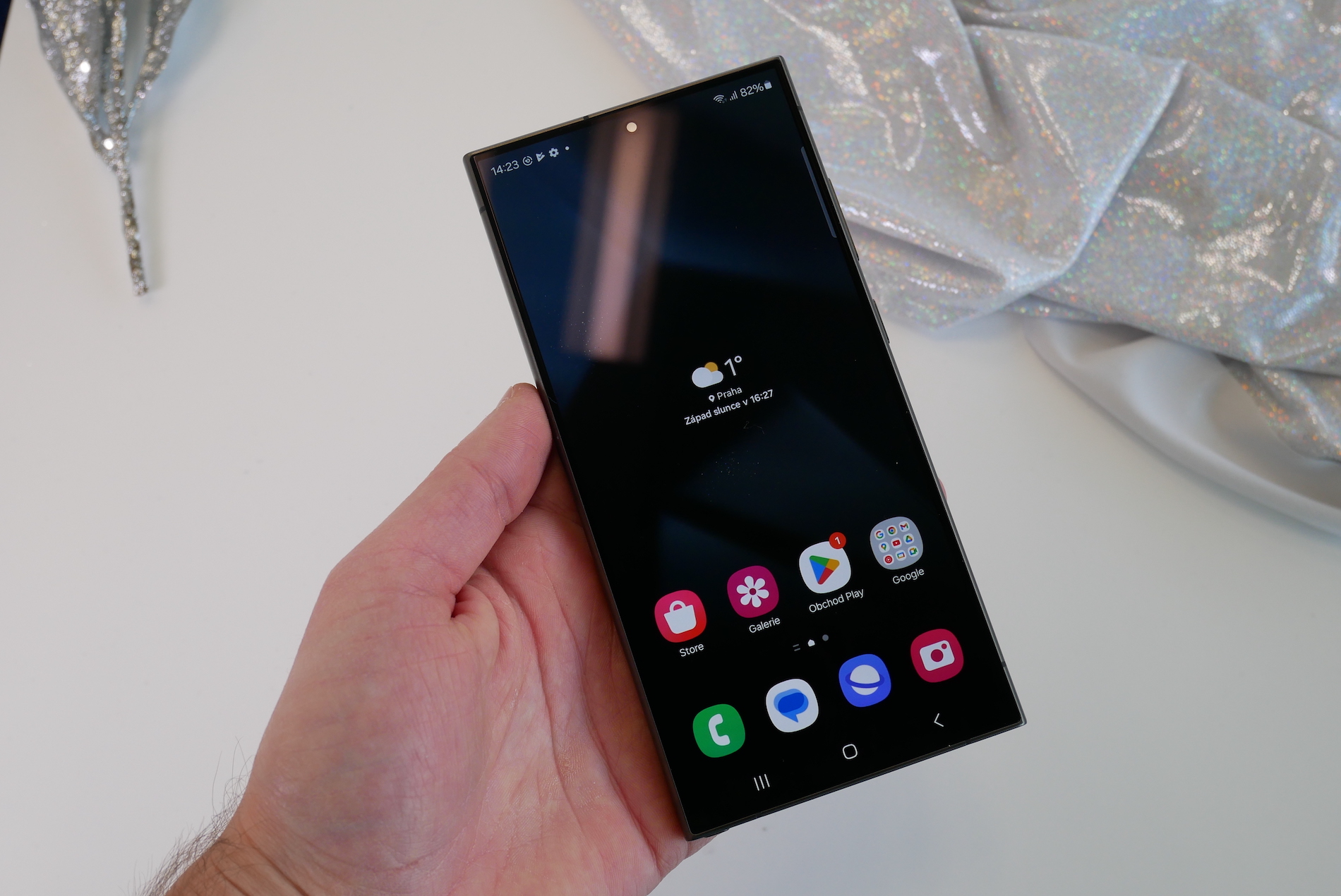
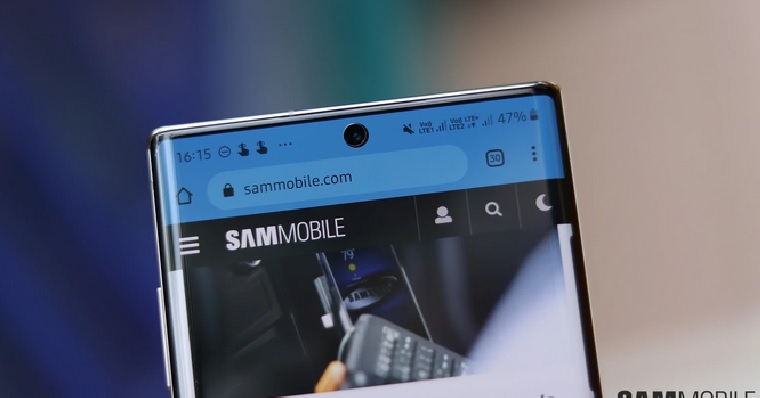
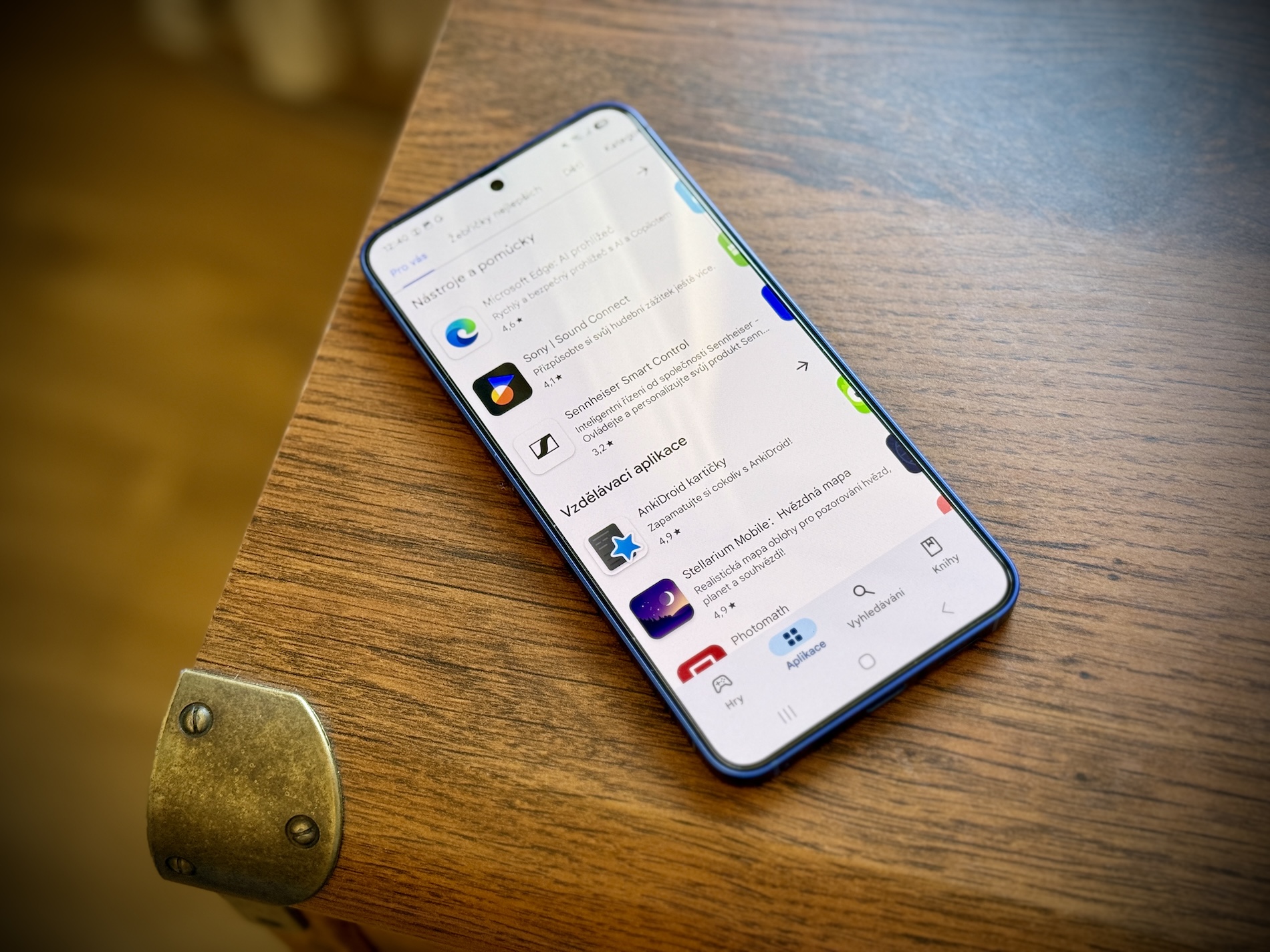
For a generation Galaxy S24 Ultra Samsung's flagships boast Gorilla Armor glass with excellent anti-reflective properties and increased scratch resistance. The upcoming Galaxy S27 Ultra But Samsung could go even further in collaboration with Corning. According to new speculation, the developers are working on a special glass coating that would be able to repair small micro-scratches on its own.
The information came from a doctor acting under the pseudonym @phonefuturist on the X network. The goal of Samsung and Corning is not only to further increase the hardness of the glass, but to develop a layer that can actively respond to normal wear and tear.
🚨 EXCLUSIVE | GALAXY S27 ULTRA
Samsung and Corning are reportedly working on a new self-healing surface coating for the next generation of Gorilla Armor.
The goal is reportedly to allow the surface to recover from certain levels of everyday micro-scratching, rather than simply…
View post on X
If this technology makes it to production, it won't be a miracle cure for deep cracks after a drop on concrete. The specifications focus solely on minor damage and fine capillary scratches that occur on the display from normal carrying in a pocket or bag and are usually only visible in direct sunlight. The surface treatment should smooth out these fine scratches over time.
Speculation needs to be taken with a grain of salt.
The entire report must be approached with a fair amount of skepticism. Model Galaxy S27 Ultra will arrive at the beginning of the year 2027, which gives both companies plenty of time to change plans or shelve the technology if it's not ready for commercial deployment. Neither Samsung nor Corning have officially confirmed the existence of such a solution for upcoming phones yet.
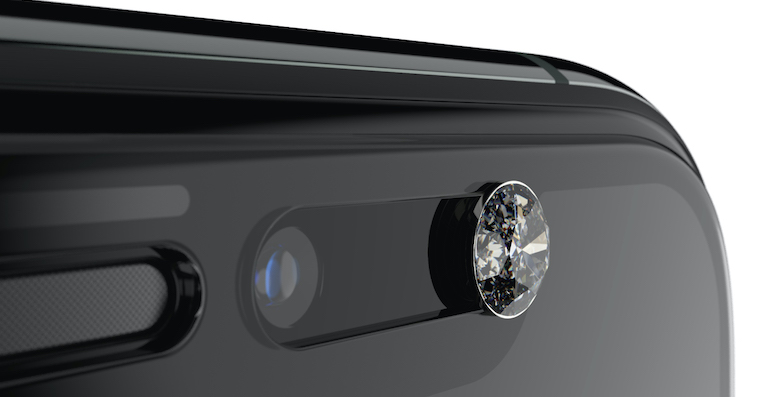
However, it is probable miniGorilla Armor 2 generation, used in models Galaxy S25 Ultra a Galaxy S26 Ultra, according to Corning's laboratory tests, offers more than four times the scratch resistance compared to conventional aluminosilicate glasses. A certain shift in the next generation is therefore practically certain, the question remains as to the self-healing ability itself.
Gallery
End of protective films and higher residual price
If self-healing glass were to come into practice, it would mean several fundamental advantages for users:
- Saving the anti-reflective coating: Many owners stick protective glass or foil on expensive phones just out of fear of micro-scratches. However, another plastic or glass layer often degrades the main advantage of Gorilla Armor glass - its ability to absorb reflections. A self-healing surface would allow you to wear the phone "naked" without fear of losing its aesthetics.
- Higher resale value: A display without microscopic scratches looks like new even after two or three years of use, which will increase the purchase and selling price of the device on the used phone market.
You might be interested in

The idea of self-healing materials in the mobile world is not entirely new. Back in 2013, LG introduced the G Flex model, whose back cover was able to heal minor scratches on its own. However, using it directly on the display cover glass would be a first. It remains unclear how quickly the regeneration would occur, what size scratches it would be able to repair, and whether the layer's properties would be lost over time and wear. But it's a great idea and I look forward to seeing it implemented.



What is a doctor? Or are educated "journalists" unable to copy? leaker? Oh…..