
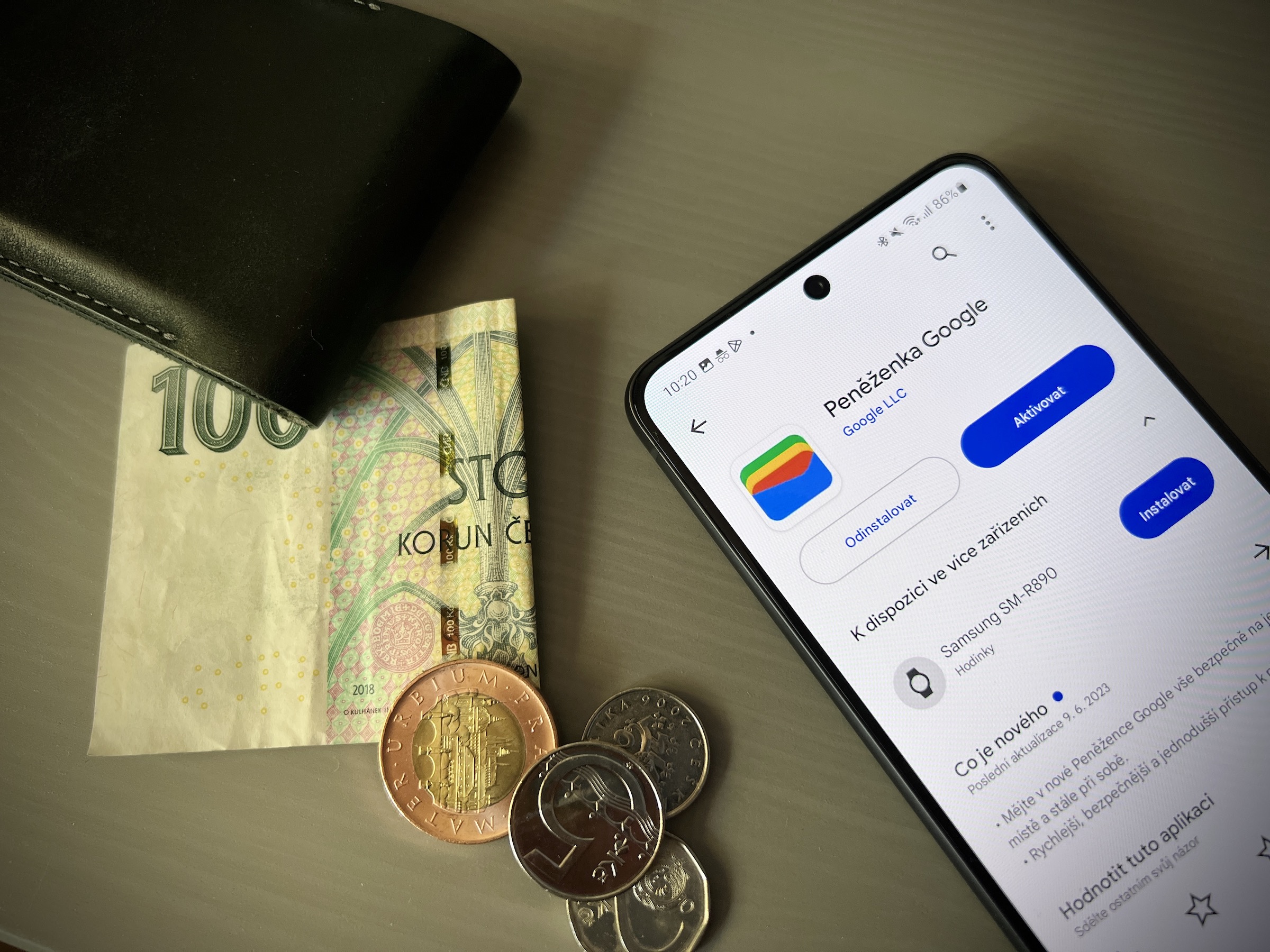
When Google introduced a kids version of its Wallet, most of us expected a stripped-down app with strict parental controls. The goal was clear: to give younger users the ability to make contactless payments without parents having to worry about overdrawing their regular bank account.
But a closer look at how the new system works reveals something crucial. Google has designed a solution that doesn't require a direct connection to a bank account or the issuance of a traditional credit card. Children work with an isolated virtual balance. And that's exactly the concept that millions of adults would surely appreciate.
You might be interested in
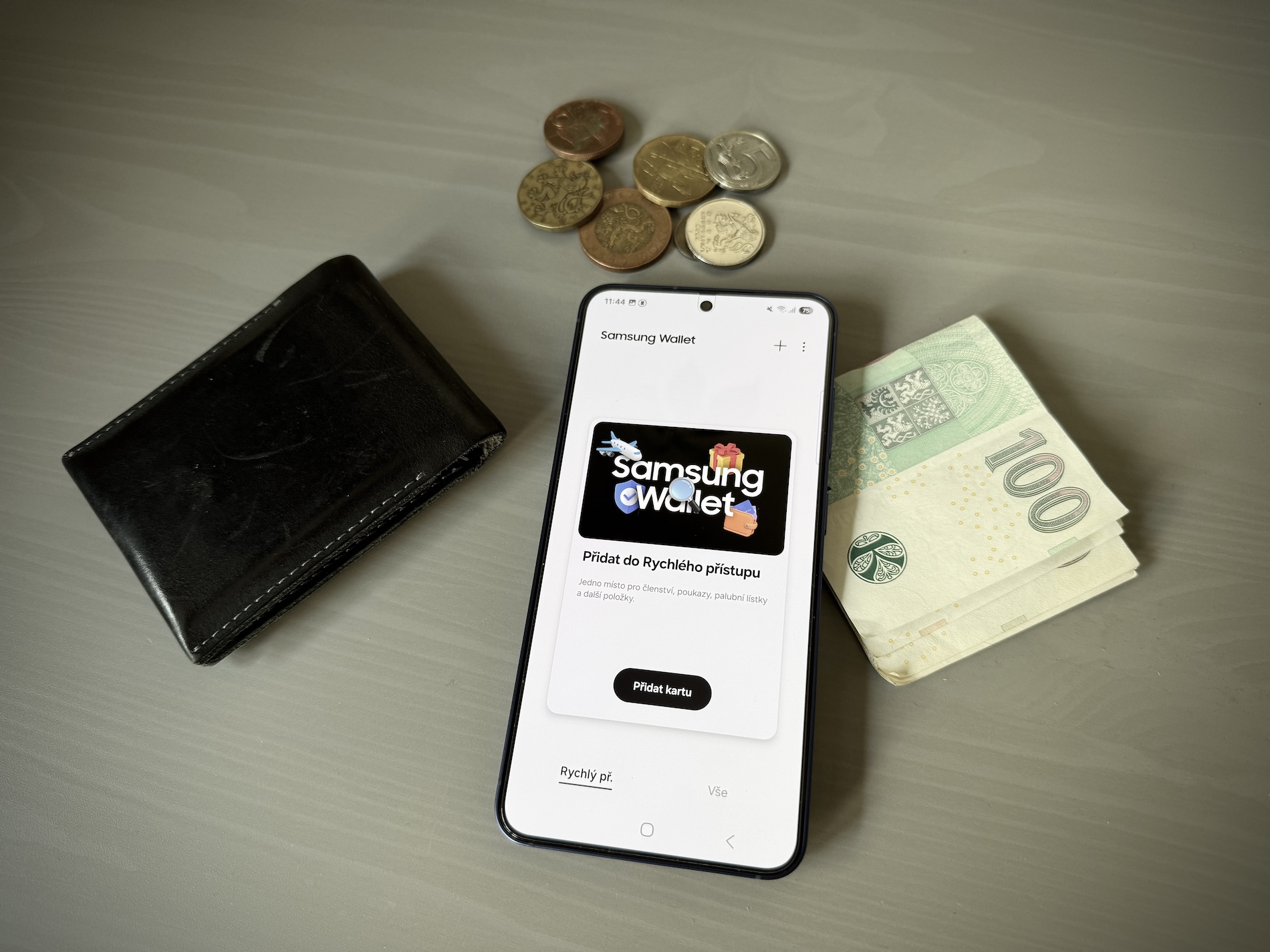
Most adults today have their main debit or credit card stored directly in Wallet, so any in-store payments go straight to your bank account.
The children's version of the Wallet does it differently:
- No direct card: The child does not receive direct access to the parents' checking account.
- Virtual credit: The parent loads a specific amount into the child's profile (for example, pocket money for a week) and the child operates only with this virtual balance.
- Once the money runs out, no further transactions will take place. The bank account in the background remains completely secure.
Gallery
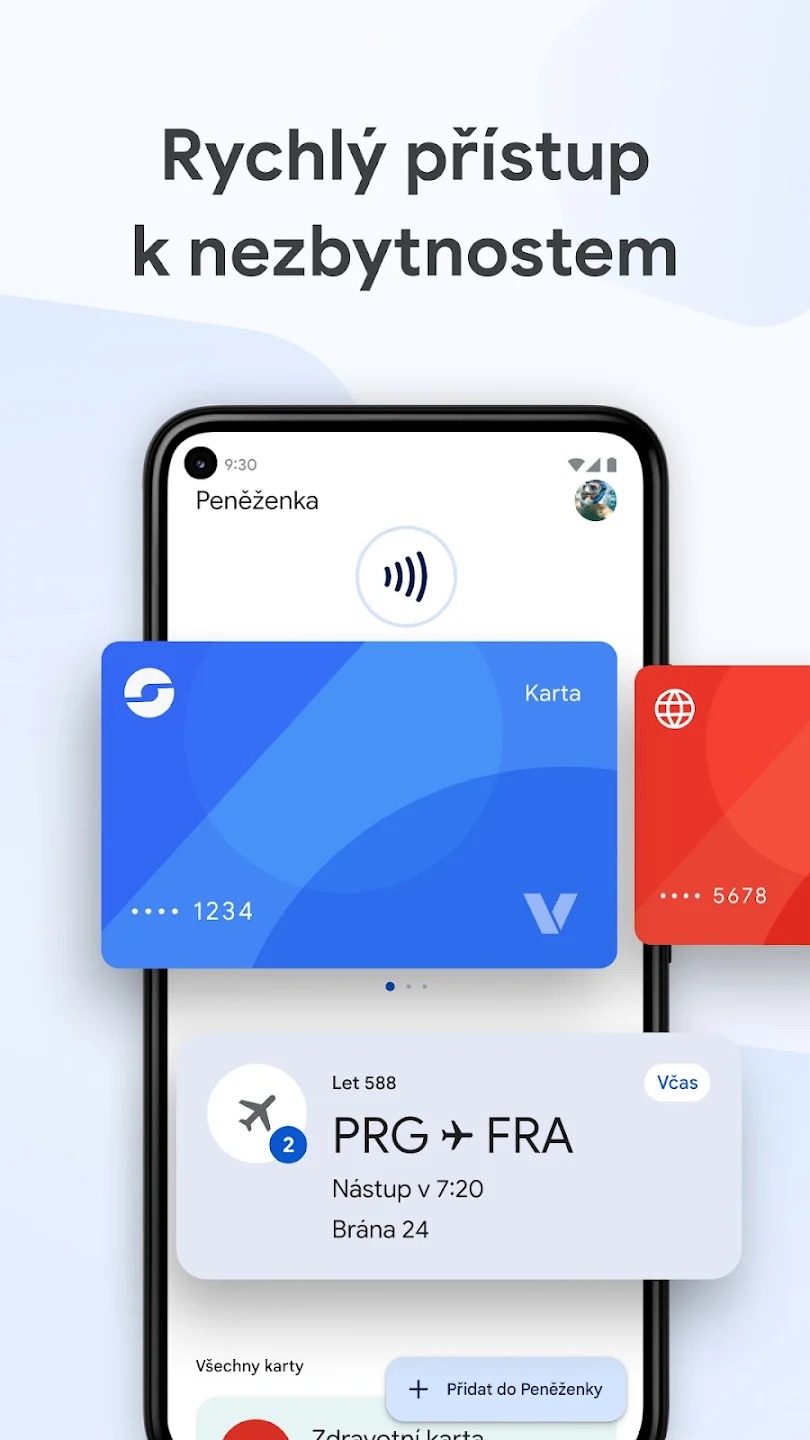
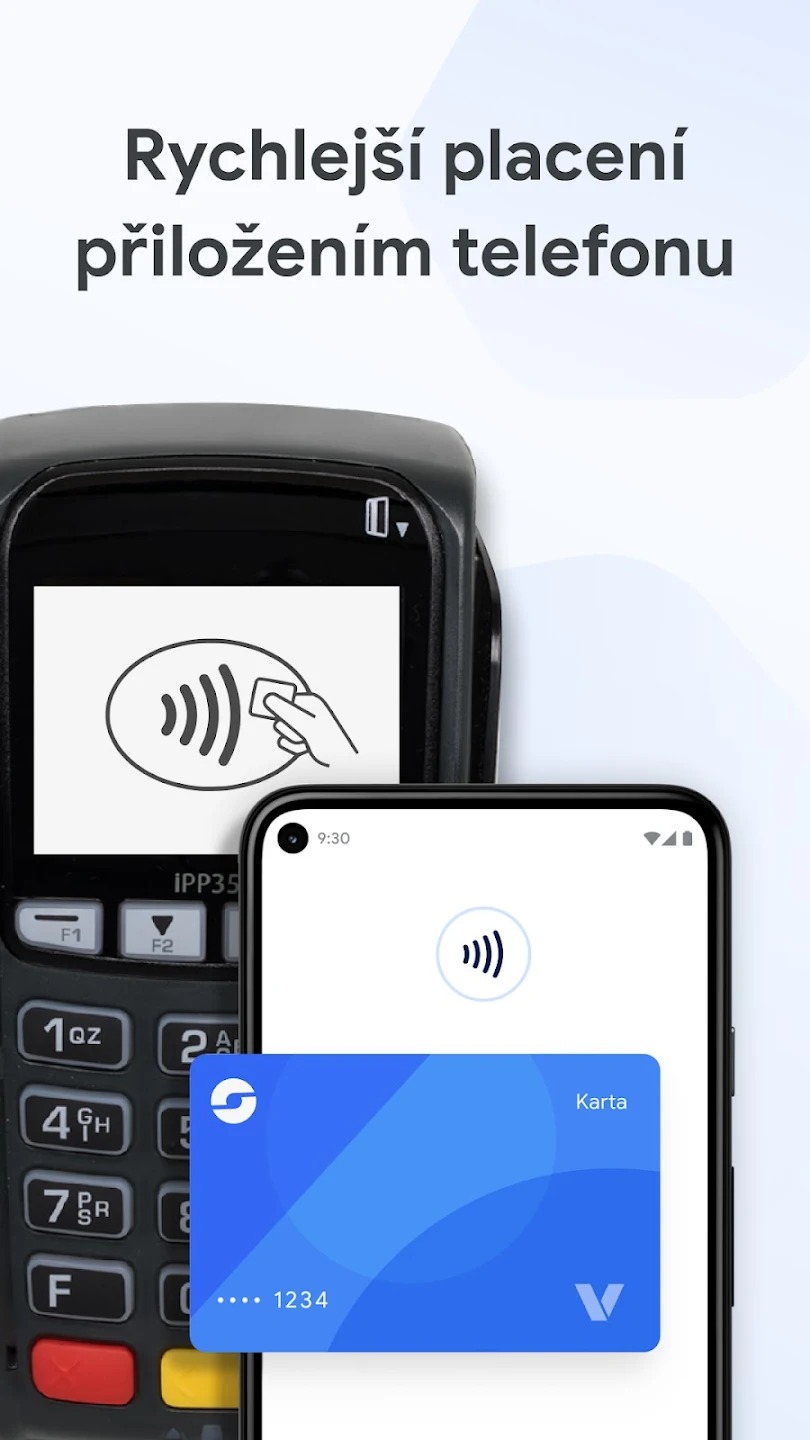
It's a real shame that Google is denying this option to adults, as it would be a great tool for them to manage their finances and increase security. In fact, prepaid virtual balances used to exist in some regions, but have gradually disappeared from mainstream apps in favor of direct integration with payment cards. The company clearly prefers to make payments as seamless as possible without the need for manual top-ups.
The fact that Google has revived this architecture specifically for child accounts shows how practical it really is. The question remains when developers will realize that adult users also want to separate their payment budget from their main bank account.








So my son has a card from a different bank than me and I only send him the amounts he needs that day. That's easier, right?
Above all, it is necessary to add that it is for the USA, the EU market has different rules.