Just open an app with a weather forecast, navigation or other service that needs to know your current location. You grant it permission to access your location and expect it to use it only for its main function. But a new finding shows that the reality can be much more complicated. The user's precise location may not end up only with the app itself, but can also travel to an entire network of advertising companies.
At first glance, this is not intentional behavior on the part of the developers. In most cases, they are responsible for everything. advertising SDK, third-party software packages that developers add to apps to serve ads and measure their performance. But their influence extends beyond what we might like.
You might be interested in
Ads track our locations
SDKs (Software Development Kits) are a common part of modern mobile applications. They save developers time because they don't have to create all the features from scratch. In addition to payment systems, analytics tools, or social logins, they are also very often used advertising libraries.
These are the ones that are now taking center stage. Some of them have it turned on by default. collecting the user's precise location. If developer If you do not actively change this setting, data may be automatically passed on to other advertising partners and data brokers without the app author being aware of it. And the owner of the phone in question is unaware of it either.
The user will not change anything.
The whole problem is that Android grants permissions to the application as a wholeFor example, once the application Weather If you allow access to precise location, some integrated third-party libraries will potentially also gain access to this data.
It is practically impossible for the average user to find out what data an application is actually sharing and with whom. From the system's perspective, everything happens within a single application, even though in the background several different services can communicate. This significantly complicates privacy protectionEven careful selection of trusted applications does not necessarily mean that personal data they remain only between the user and the developer.
Gallery


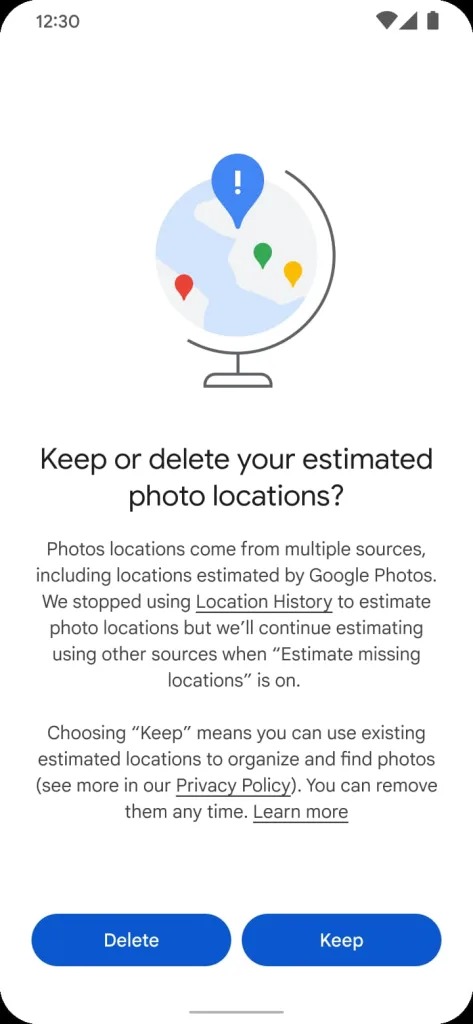
Precise location data is among the most sensitive information a smartphone can provide. Historically, similar data has been used not only for targeted advertising, but also when tracking of people's movements, security analyses or various investigationsThis is why experts have long warned that trading in location data poses a significant privacy risk.
In the cases analyzed Electronic Frontier Foundation (EFF) Among the problematic advertising SDKs mentioned were, for example:
- InMobi,
- BidMachine,
- HyBid,
- Huawei Petal Ads.
What developers and users can do
Experts warn that there may be significantly more similar solutions on the market. The good news is that the situation is not insurmountable. Developers can disable unnecessary location data collection when integrating advertising SDKs. The disadvantage, however, is that these settings are not very visible and require active control.
Users have the opportunity to limit risk primarily by granting location access only to applications that really need it. In addition, Android allows you to use approximate location or permission only when using the app, which can significantly reduce the amount of data shared.
The whole case also reminds us that protecting privacy on mobile phones is not just a matter of the operating system itself. The entire ecosystem of third-party apps and services also plays a big role. Google has been tightening the rules for accessing sensitive data on Android in recent years, but a large part of the responsibility still remains with app developers.