A few reports about a possible postponement were enough to flood the internet with speculation that PlayStation 6 we will have to wait until 2029. However, new information from the hardware manufacturers suggests a completely different scenario. If the current leaks are confirmed, Sony is not slowing down its biggest project in recent years and development is continuing as planned. PlayStation 5 is still selling in high numbers years after its release, yet the attention of players and developers is slowly shifting to its successor. And it's around PlayStationOne of the biggest debates of this year has flared up in recent days.
The discussion was started by an analysis related to the Embracer Group, according to which some analysts point out possible problems for the entire technology industry. The reason is the sharply increasing price of DRAM and NAND flash memory, the production of which is significantly affected by the huge demand for hardware for artificial intelligence. Data centers built for AI are consuming record amounts of modern memory, and the production capacities of semiconductor companies are coming under increasing pressure. Some analysts have therefore begun to speculate that Sony may postpone the release of the next generation of consoles for up to years 2028 or even 2029.
Respected hardware insider KeplerL2, who has a history of accurate leaks about AMD processors and console hardware, dismisses such concerns. According to him, there is no concrete evidence that Sony is changing its plan. Development of the new console is continuing at a standard pace, and the collaboration with AMD is in line with the schedule that includes a launch PlayStationat 6 during the year 2027Information from the supply chain of TSMC, which produces cutting-edge chips for AMD and other technology giants, also points in the same direction.
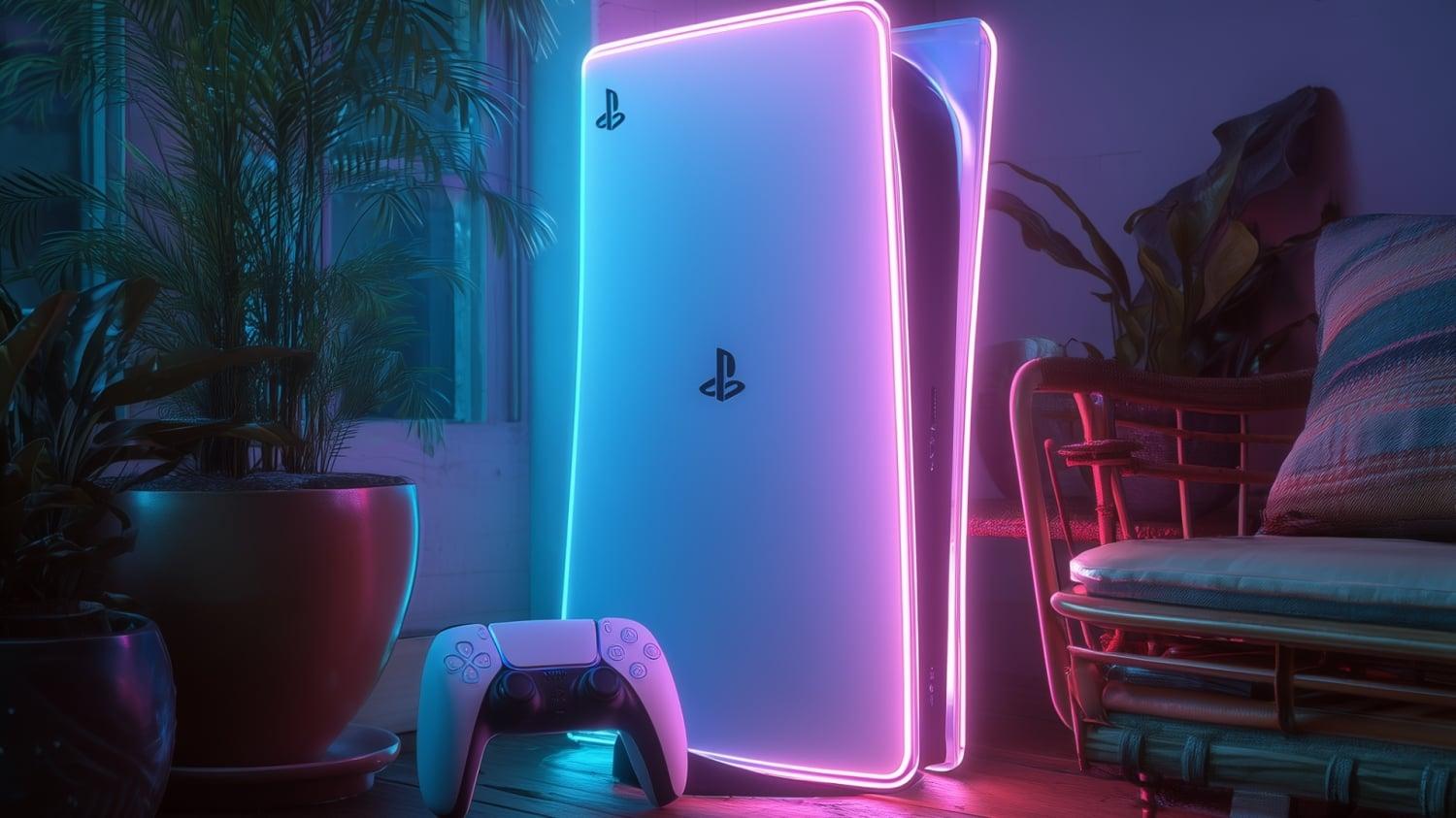
Why is it a year? 2027 most likely?
Sony has long followed a fairly regular generation cycle. PlayStation 4 arrived in 2013, PlayStation 5 followed in 2020 and a seven-year interval would mean the introduction of PlayStationat 6 just in the year 2027. Such a schedule also makes sense from a game developer's perspective. Major studios need to know about new platforms several years in advance in order to prepare exclusive titles that take full advantage of their performance. If Sony were to actually delay the launch by another two years, that would mean a lifespan of almost nine years. PlayStationat 5, which would be very unusual in the modern history of the company.
Still, there's no reason to completely ignore concerns. Year 2026 shows how artificial intelligence is changing the technological world. Manufacturers such as NVIDIA, AMD, Microsoft, OpenAI and Meta are investing tens of billions of dollars in building new AI data centers that consume huge amounts of state-of-the-art HBM, DRAM and high-speed SSDs. The result is rising component prices and limited production capacities, which have already affected a number of products. For example, due to memory shortages, the prices of some laptops, graphics cards and even Valve's new Steam Machine have increased.
What can we do from PlayStationat 6 expect?
Sony has not yet confirmed any technical specifications, but virtually all leaks agree that the basis will be a new generation of AMD processors combining a more powerful Zen CPU and a next-generation RDNA graphics architecture. Also expected are significantly more advanced ray tracing, hardware-based AI acceleration, faster SSDs, and higher energy efficiency. The console should be ready to play in 4K at high frame rates, while also offering better support for 8K TVs and the next generation of VR devices. Although the situation in the memory market remains tense and AI is changing the functioning of the entire semiconductor industry, most of the available information so far points to one conclusion. PlayStation 6 is apparently still on track and there is no indication that Sony is planning a multi-year delay. If current information is confirmed, gamers could be looking forward to the next-generation console as early as 2020. 2027And given how quickly the demands of modern games and new artificial intelligence capabilities are growing, this will likely be one of the biggest technological leaps in the brand's history. PlayStation.