
Marking "Ultra" has become synonymous with the absolute pinnacle of technology in the Samsung ecosystem. Whether it's uncompromising Galaxy S Ultra, the largest tablets, the longest-lasting watches, the customer always knew exactly what he was buying – the best. As we know, Samsung is preparing this magiccan we transfer this word to the segment of flexible phones of the series Galaxy Z FoldThe logic of this step has a clear goal on paper, but in direct conflict with reality and the upcoming flexible iPhone, it collapses like a house of cards.
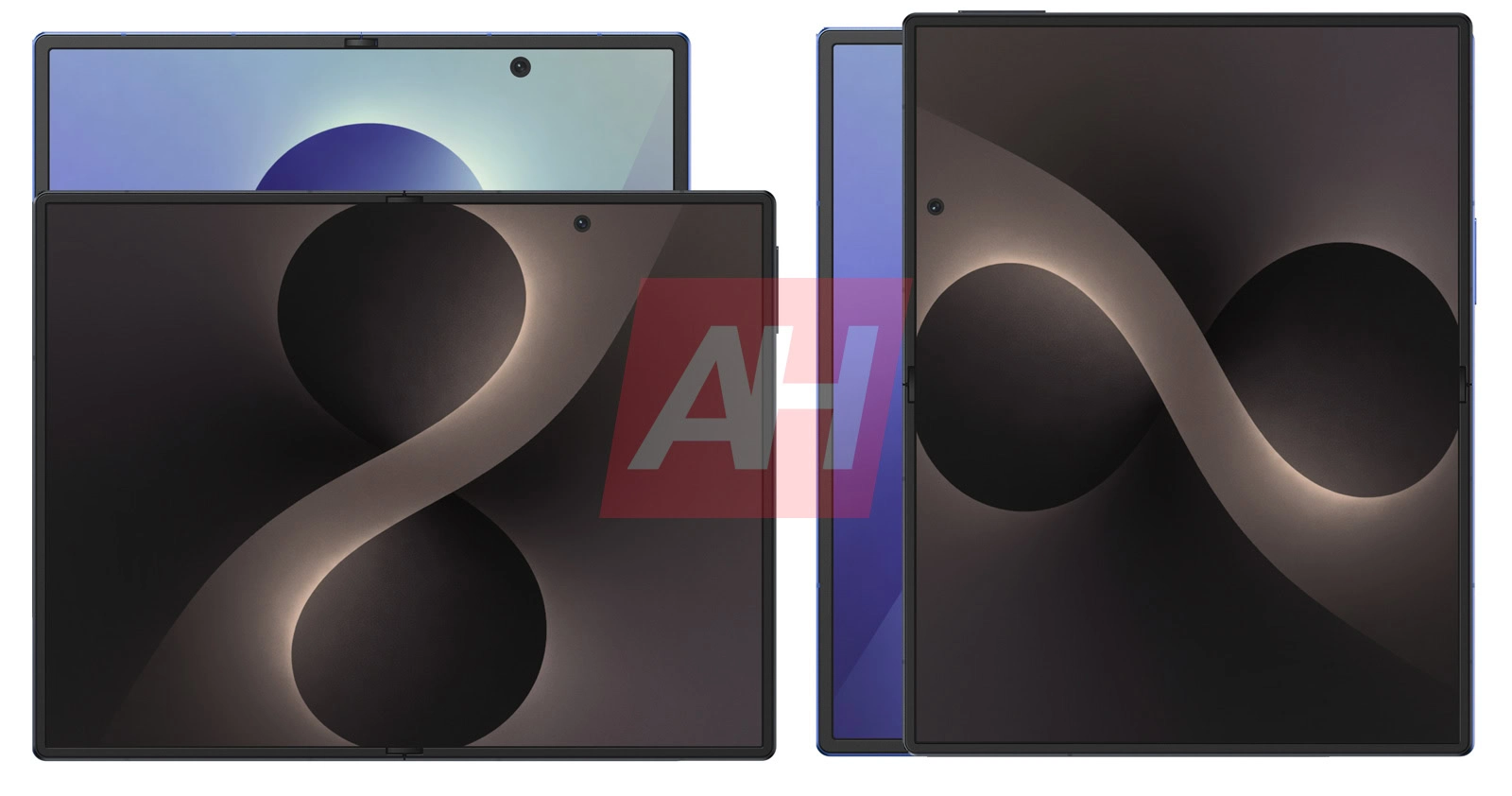
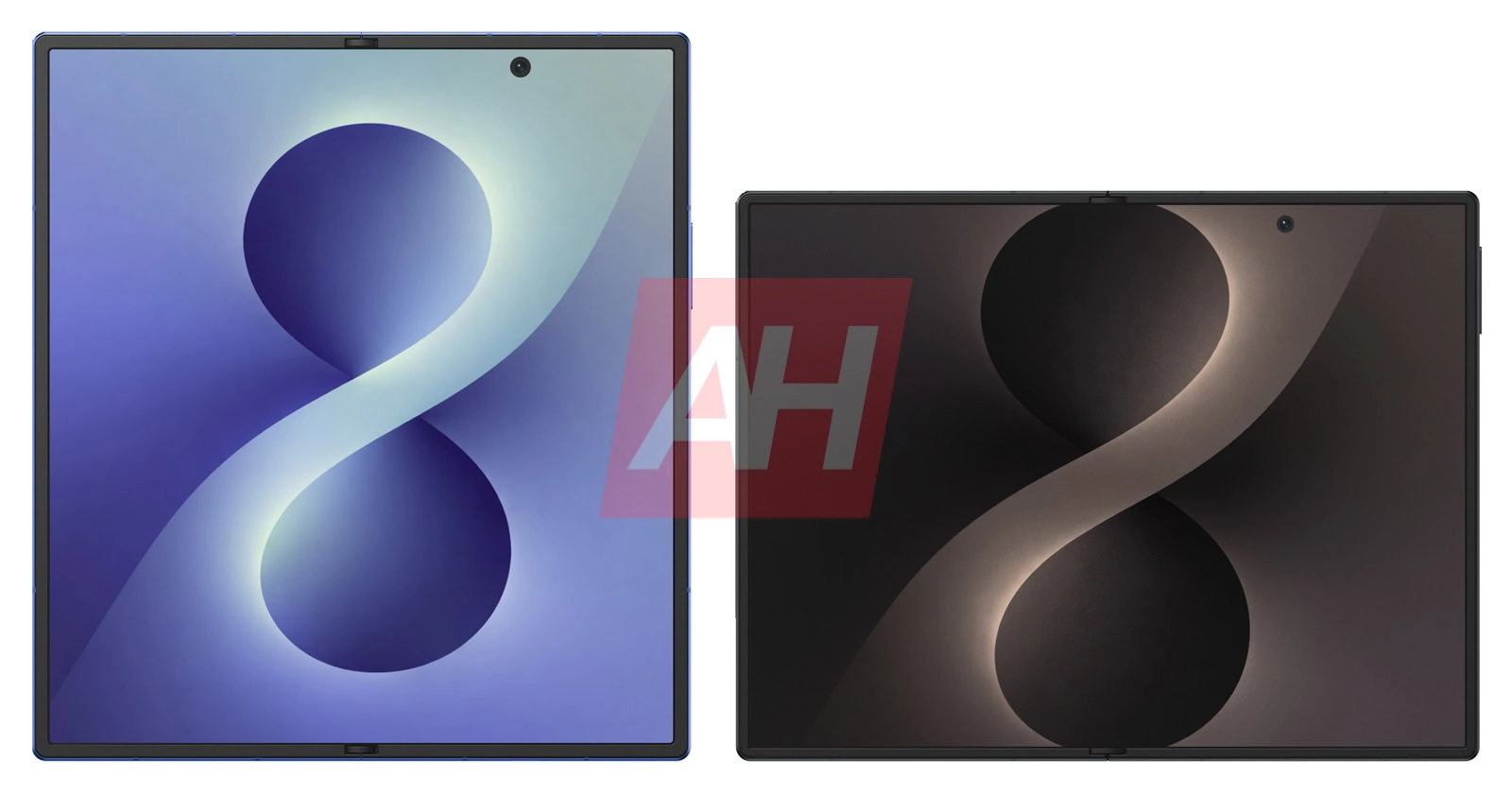
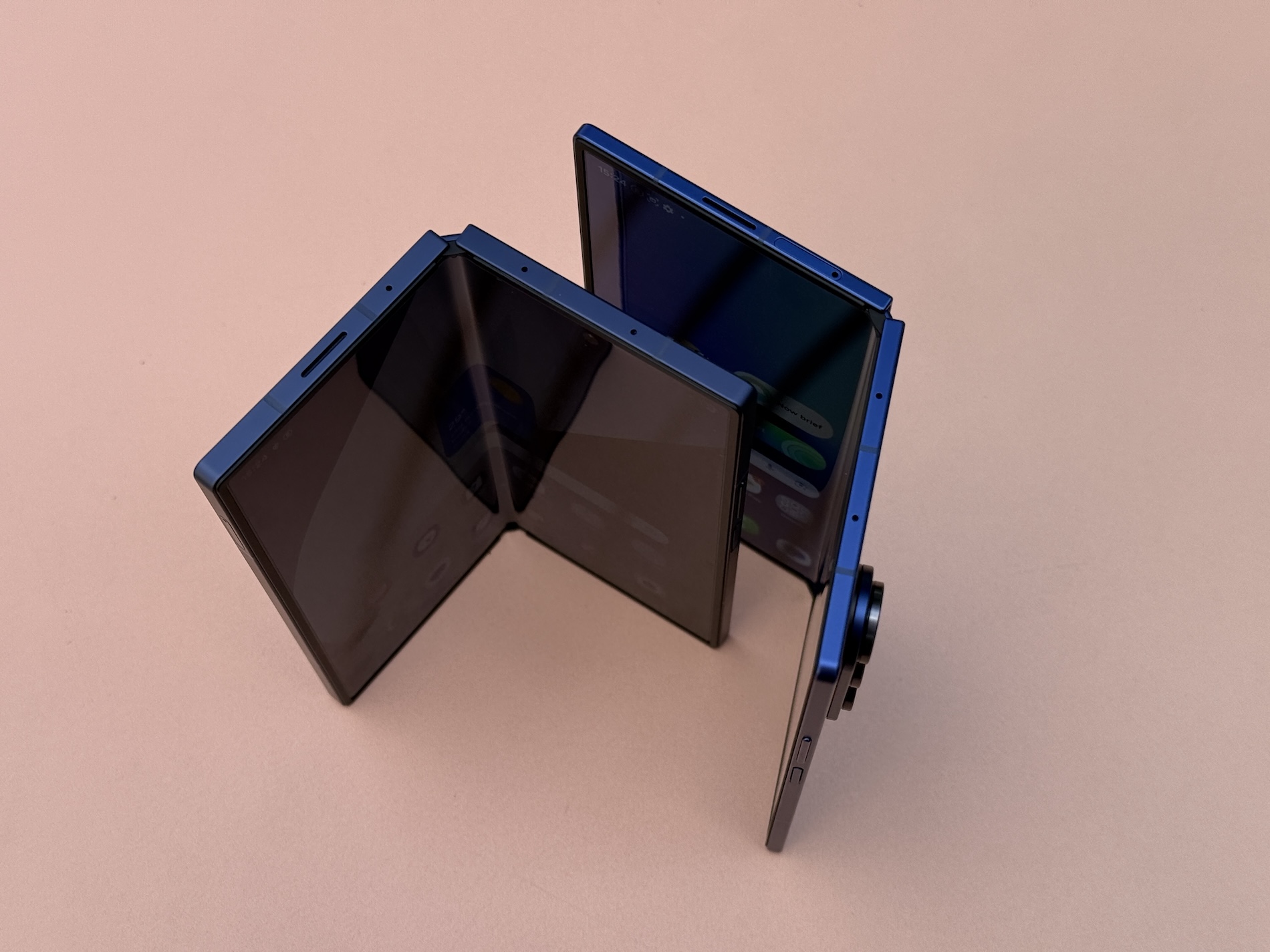
Behind-the-scenes information suggests that this is the first time Samsung will not introduce just one successor to its Fold The first will be a completely new device with a wider 4:3 aspect ratio, previously rumored to be a “Wide” version. This wide model is intended to compete directly with the upcoming first flexible iPhone from Applu, which is expected to have the same format. Paradoxically, however, this model, intended as the main shield against Applu, will name by default – Galaxy Z Fold8.
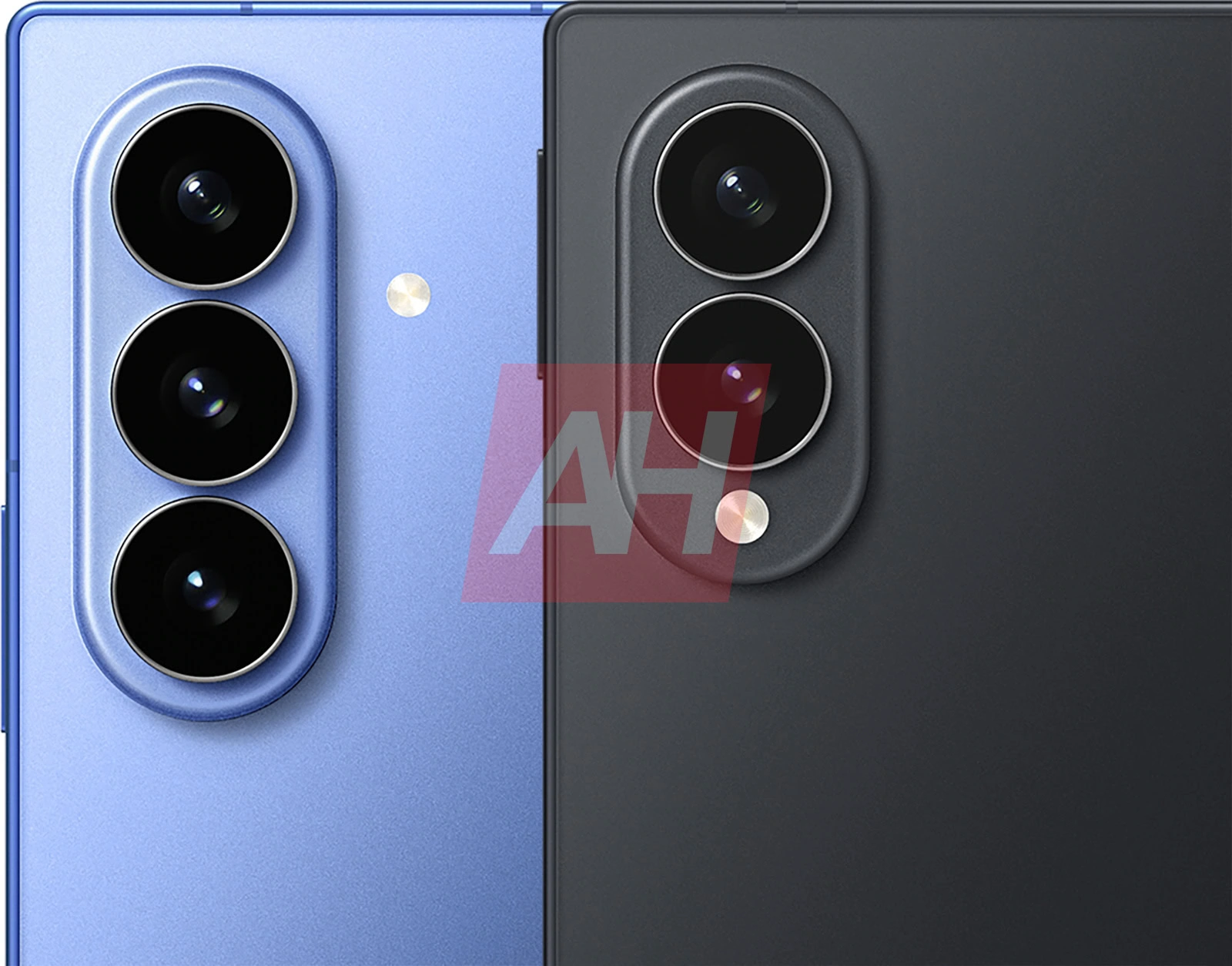
And what will happen to the real, direct successor to last year's model with its typical narrower and longer design? It is to be given a new name: Galaxy Z Fold8 UltraFrom a marketing perspective, Samsung wants to unify the nomenclature with a number of Galaxy S and clearly separate the premium segment, but this creates dangerous confusion in the expectations of ordinary customers.
Gallery
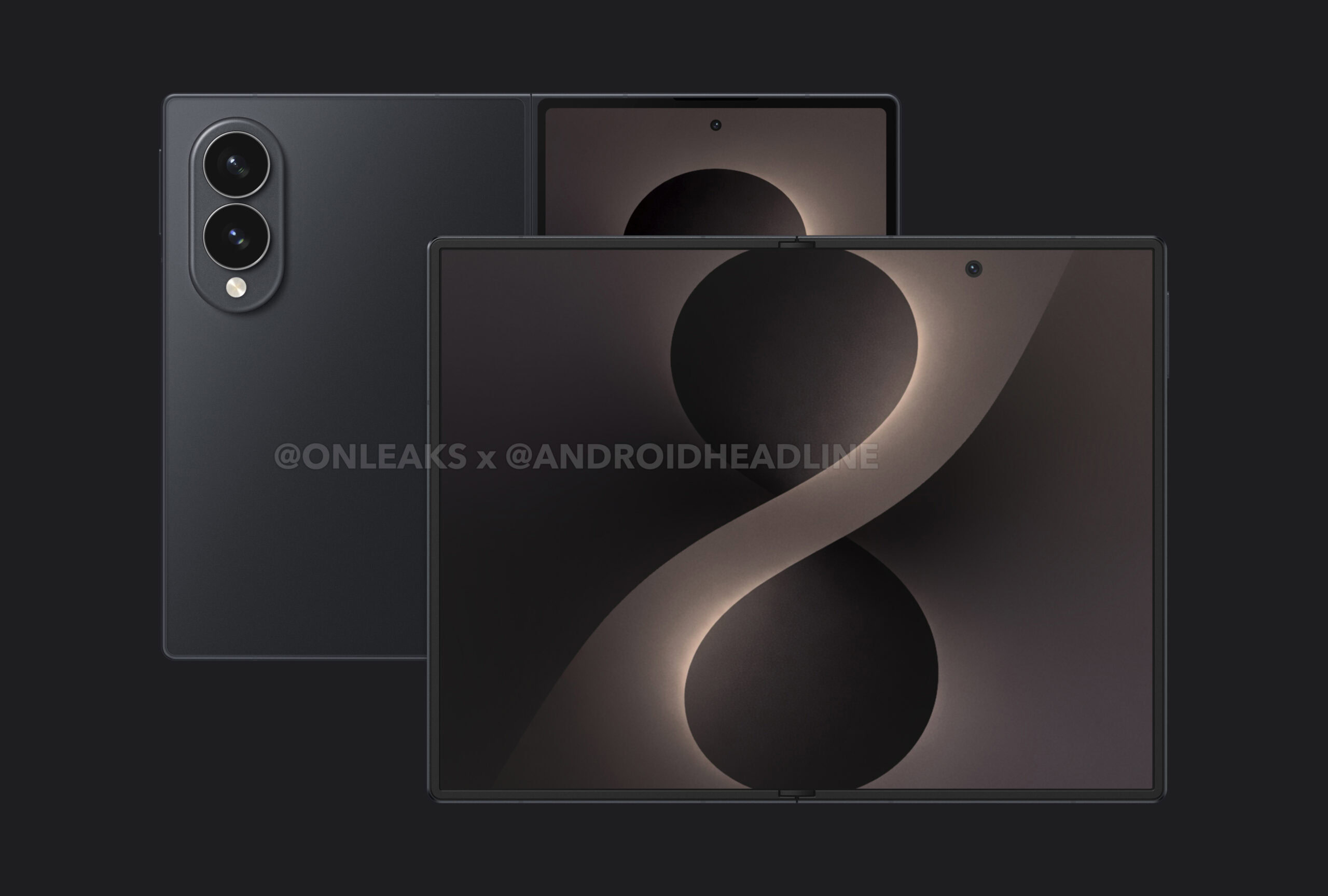
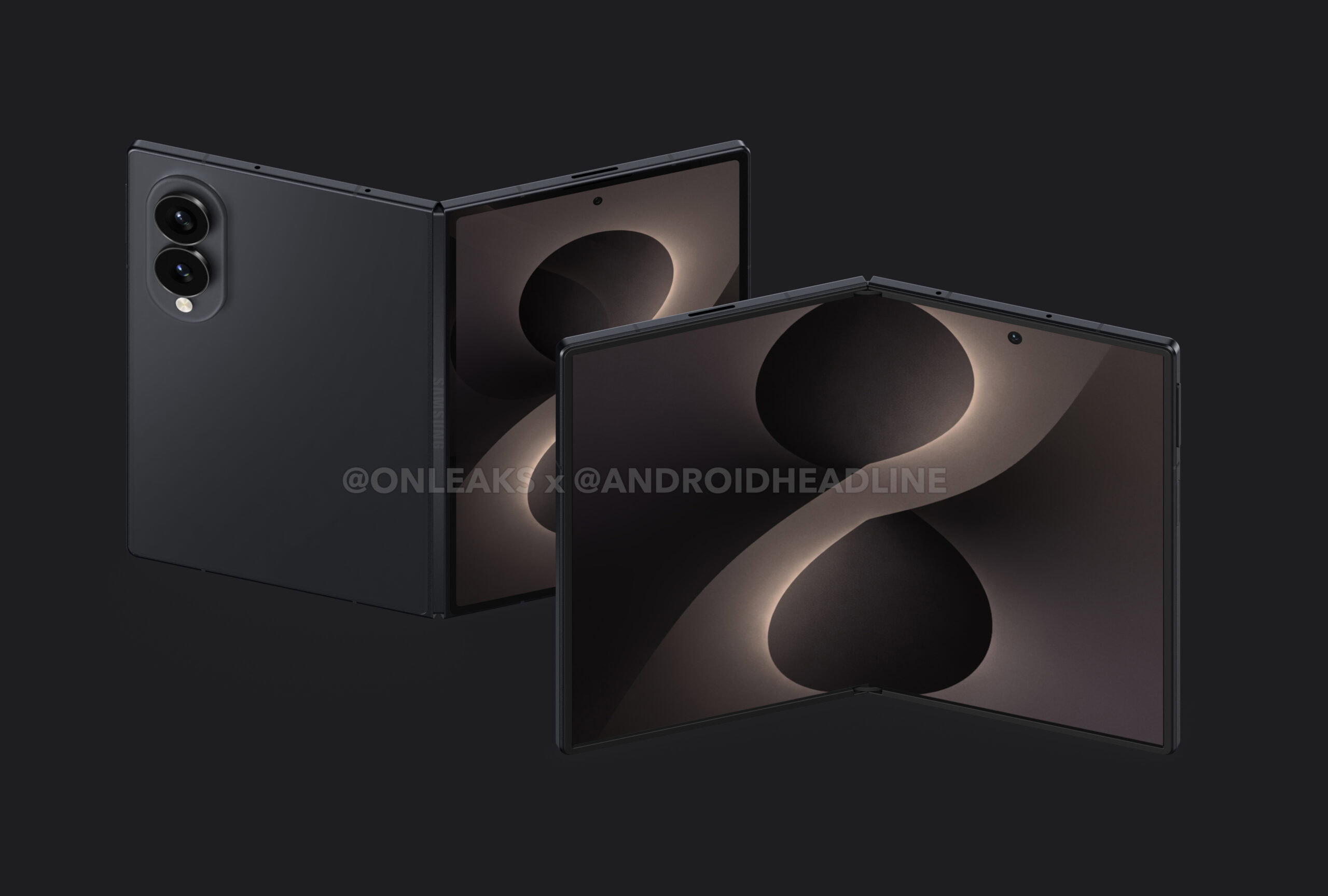
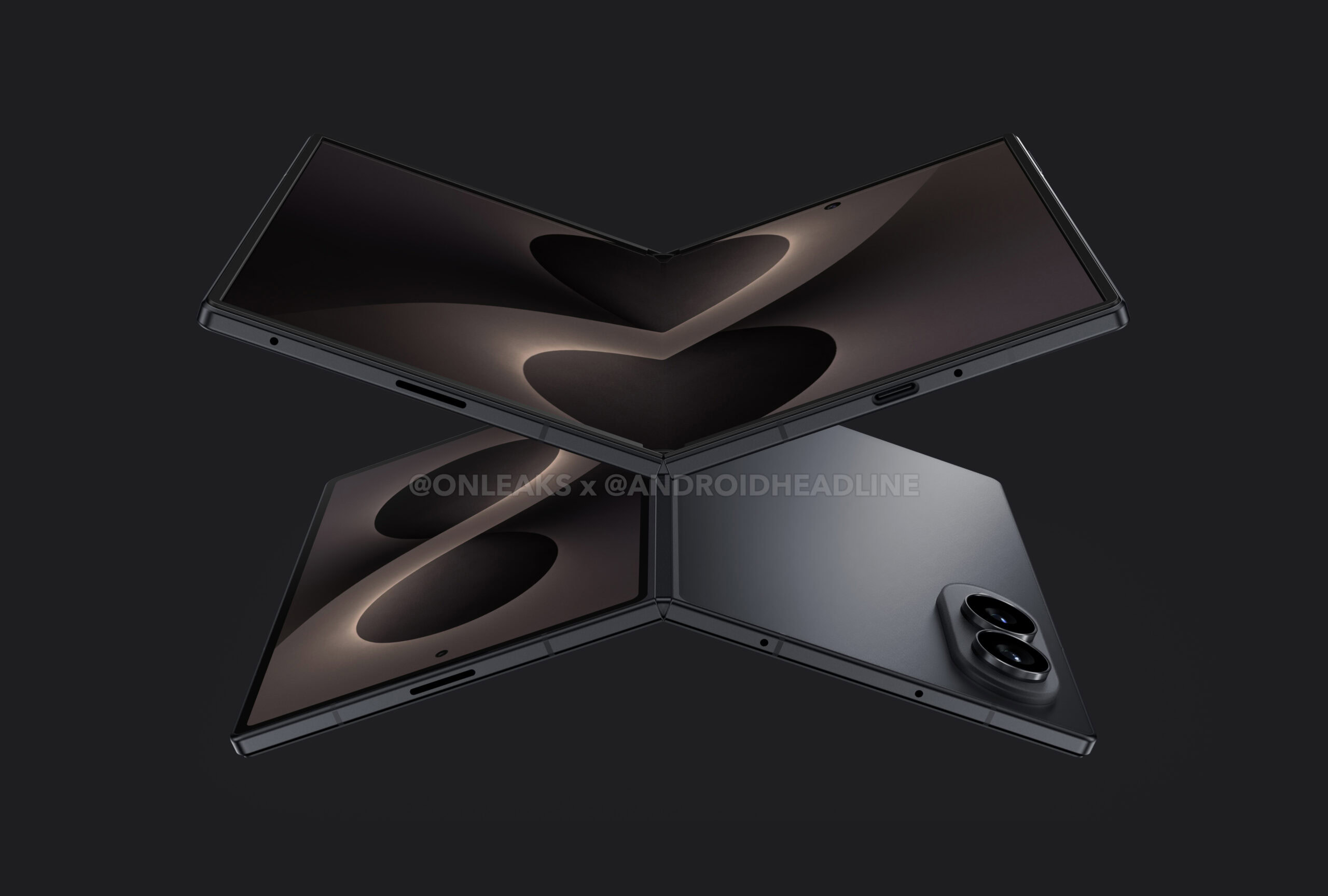

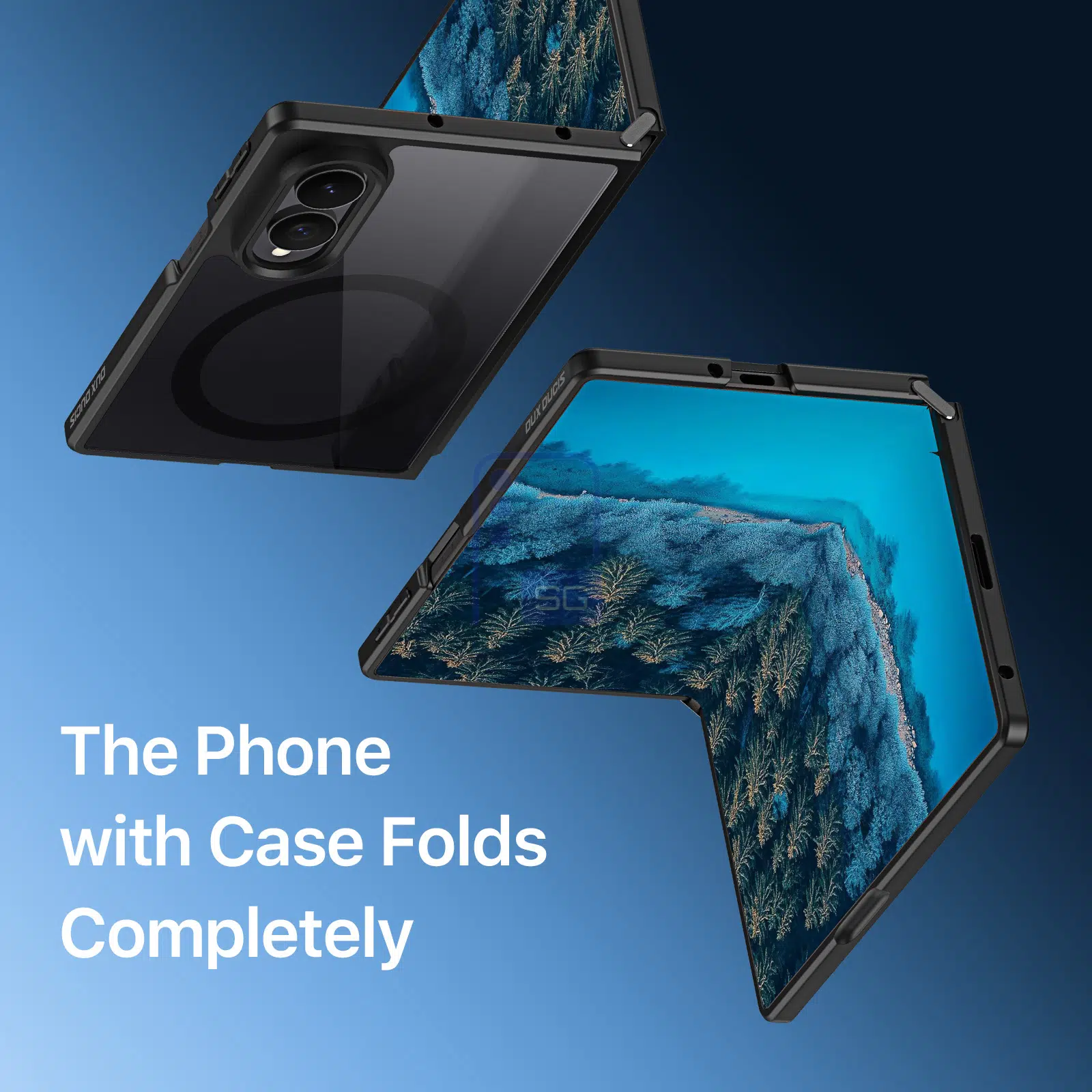
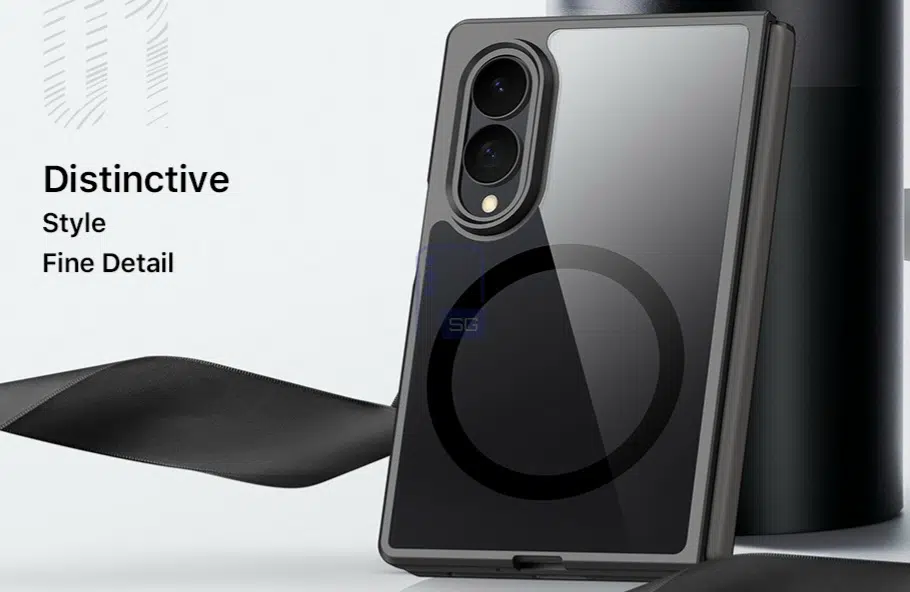
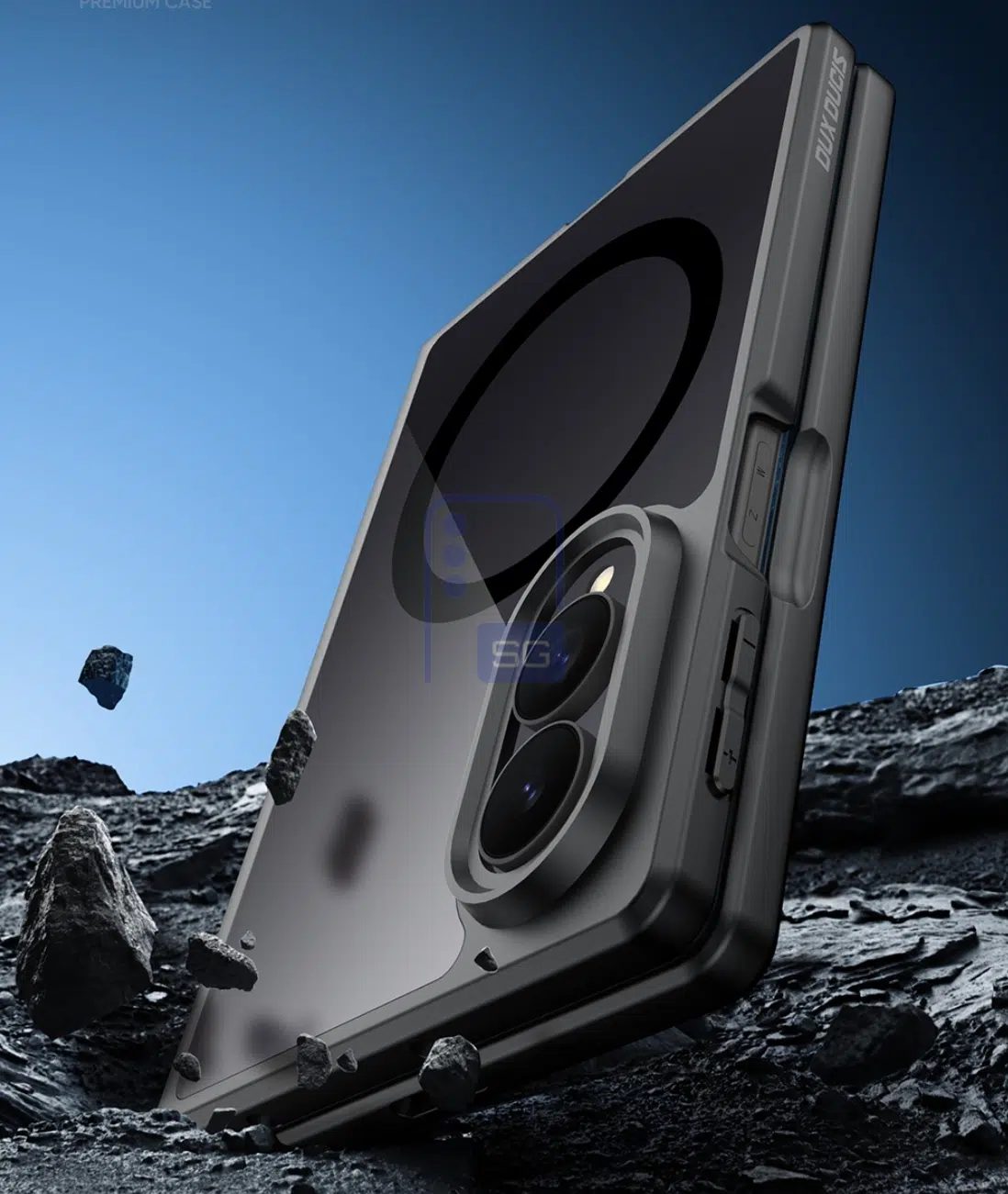
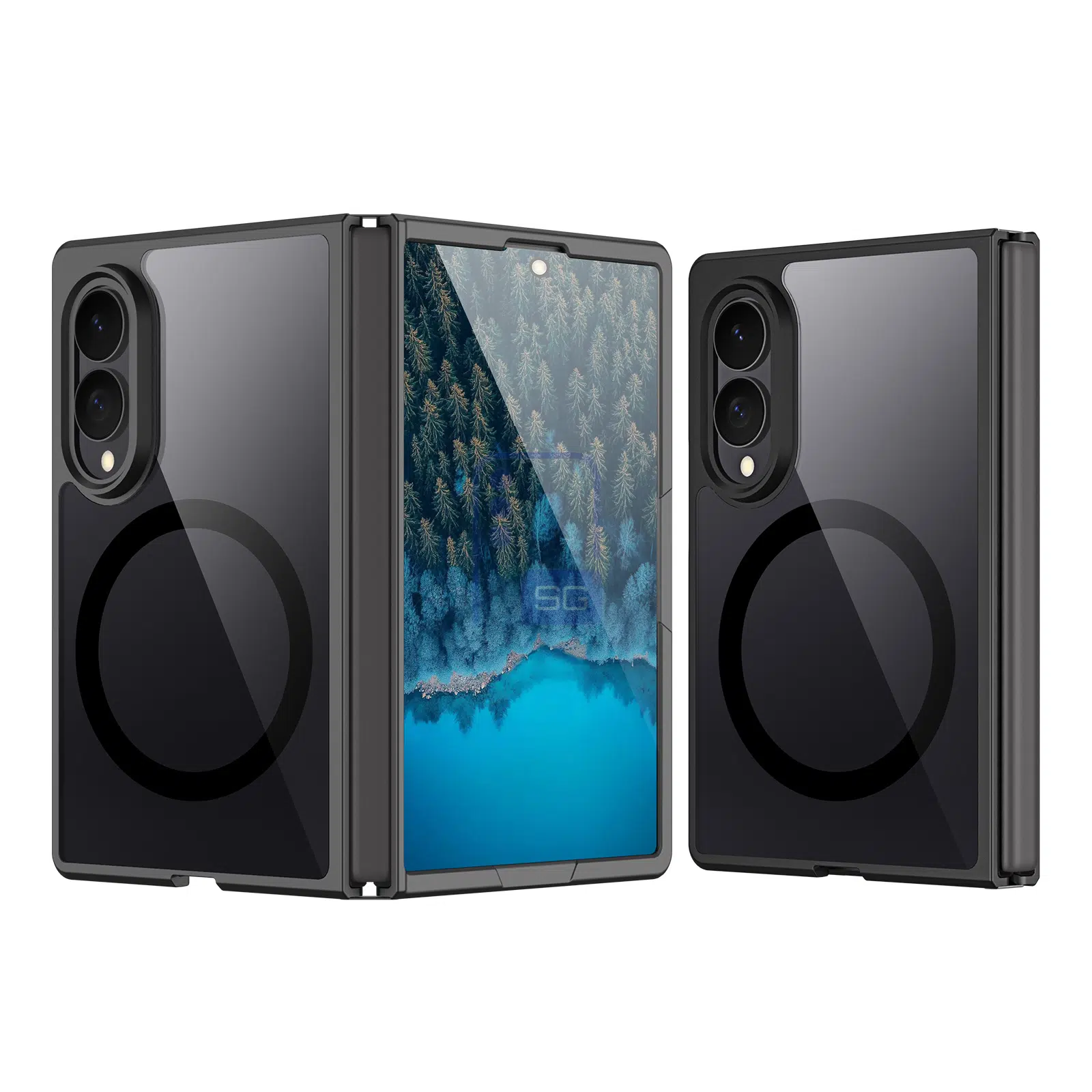
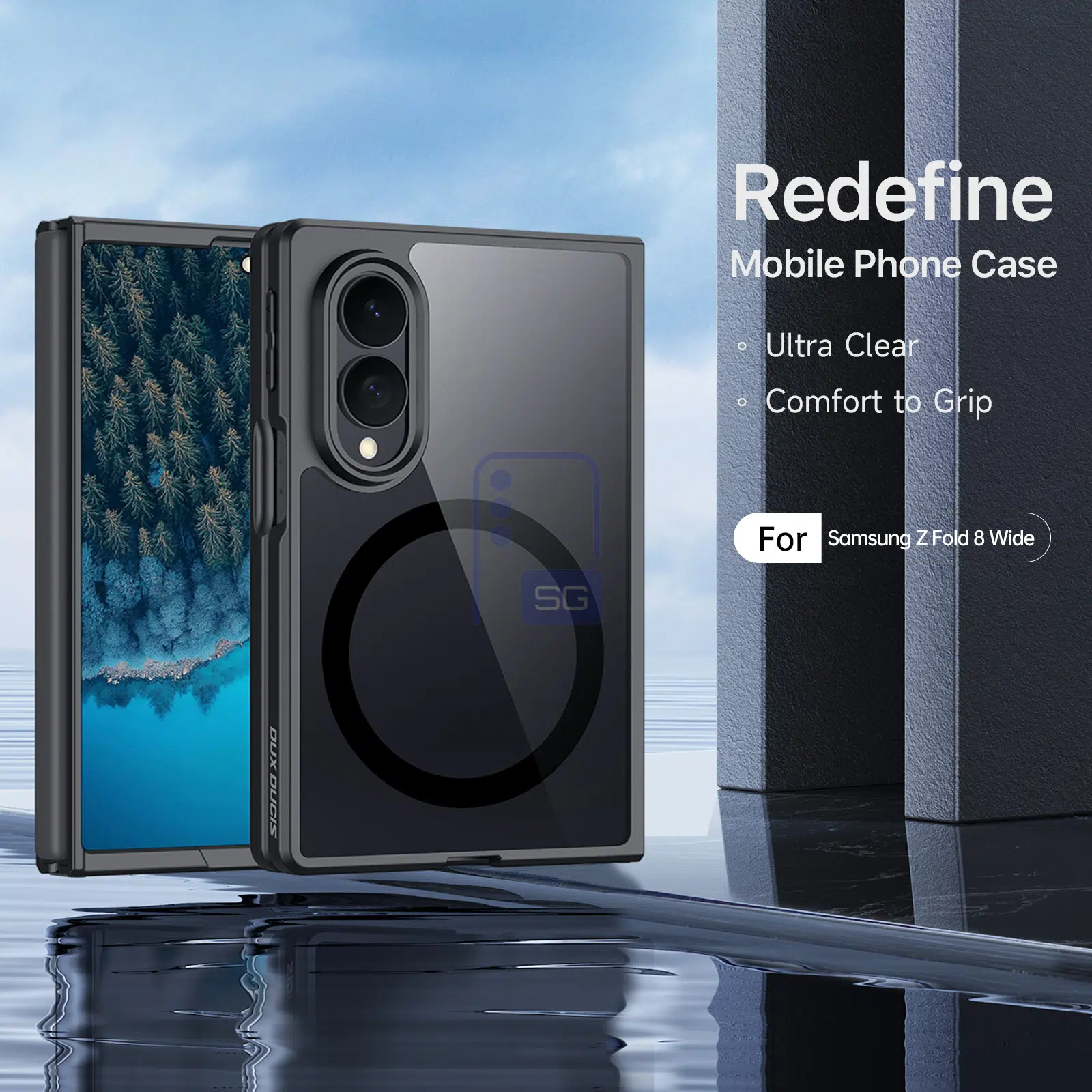
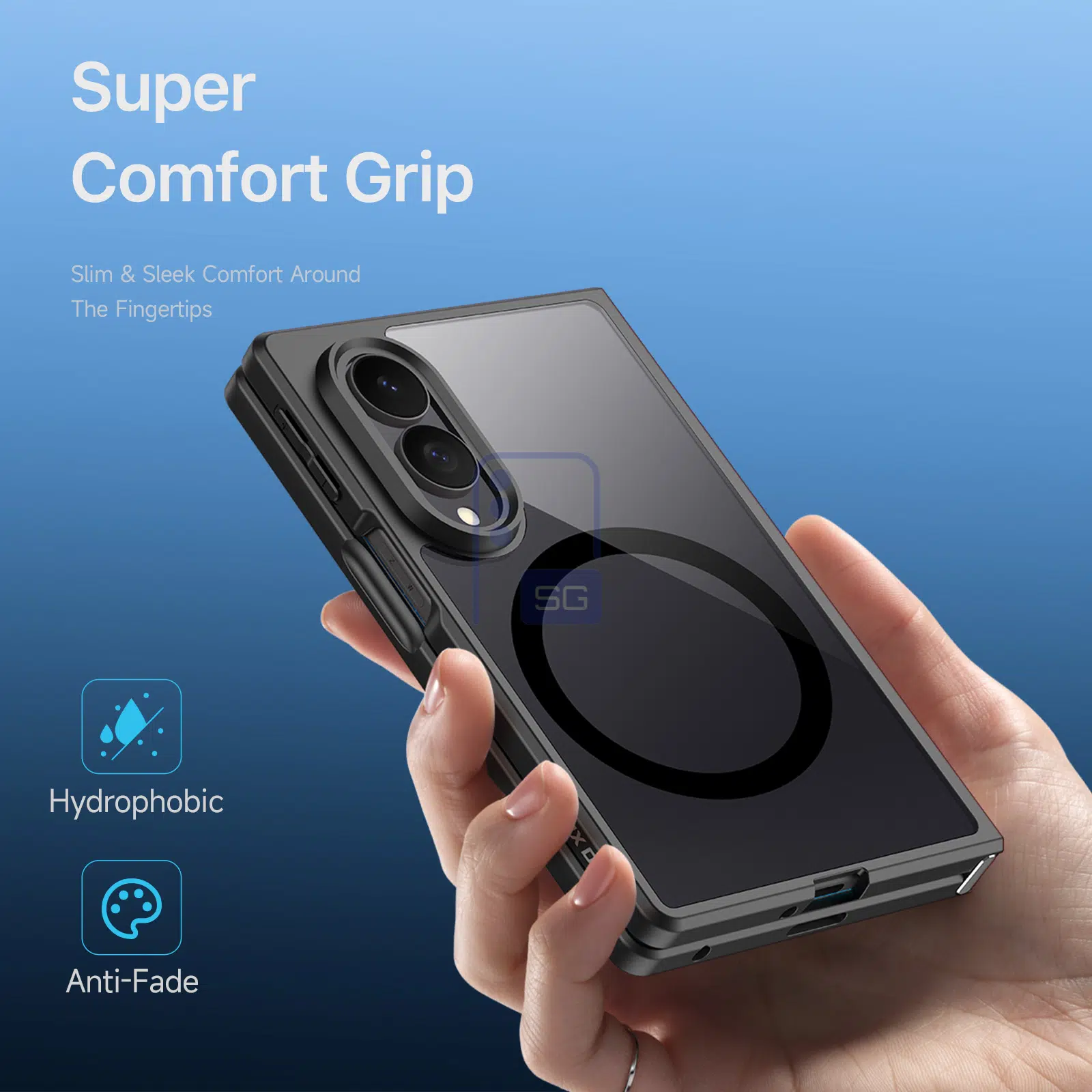
Key Contrast: Expectations vs. Reality with iPhone Ultra
The most interesting and at the same time most problematic aspect of this whole shake-up is customer psychology and comparison with the competition from Cupertino. Apple is coming to market with its flexible iPhone with a huge delay. So it can be 100% expected that it will put in its only flexible model maximum of technological know-how and exclusive materials. It will be "Ultra"a device in every sense of the word, although it may not even be called that, although it is quite likely, because such a designation has already escaped it and plays into its hands with Apple Watch Ultrawhich he had Apple before Samsung (which first introduced Galaxy Watch5 Probecause he thought he would use the Pro designation for his top model and Apple).
At this point, Samsung's logic hits a wall. If a customer hears that Apple releases its ultimate flexible iPhone Ultra, subconsciously will look for a direct competitor in Samsung. And logic dictates looking for a model with the same "Ultra" by name. But there they encounter a completely different concept:
- Samsung Galaxy Z Fold8 Ultra: It will represent a continuation of the classic, narrow and elongated format. For the average user, it will be confusing - they will get a different form factor than the new flexible iPhone will offer.
- Upcoming flexible iPhone Ultra: It will bring a modern, wide format with an aspect ratio of 4:3, which, when opened, resembles a classic tablet. Apple they will invest all the prestige into it, making it the technological benchmark of the year in the eyes of the public.
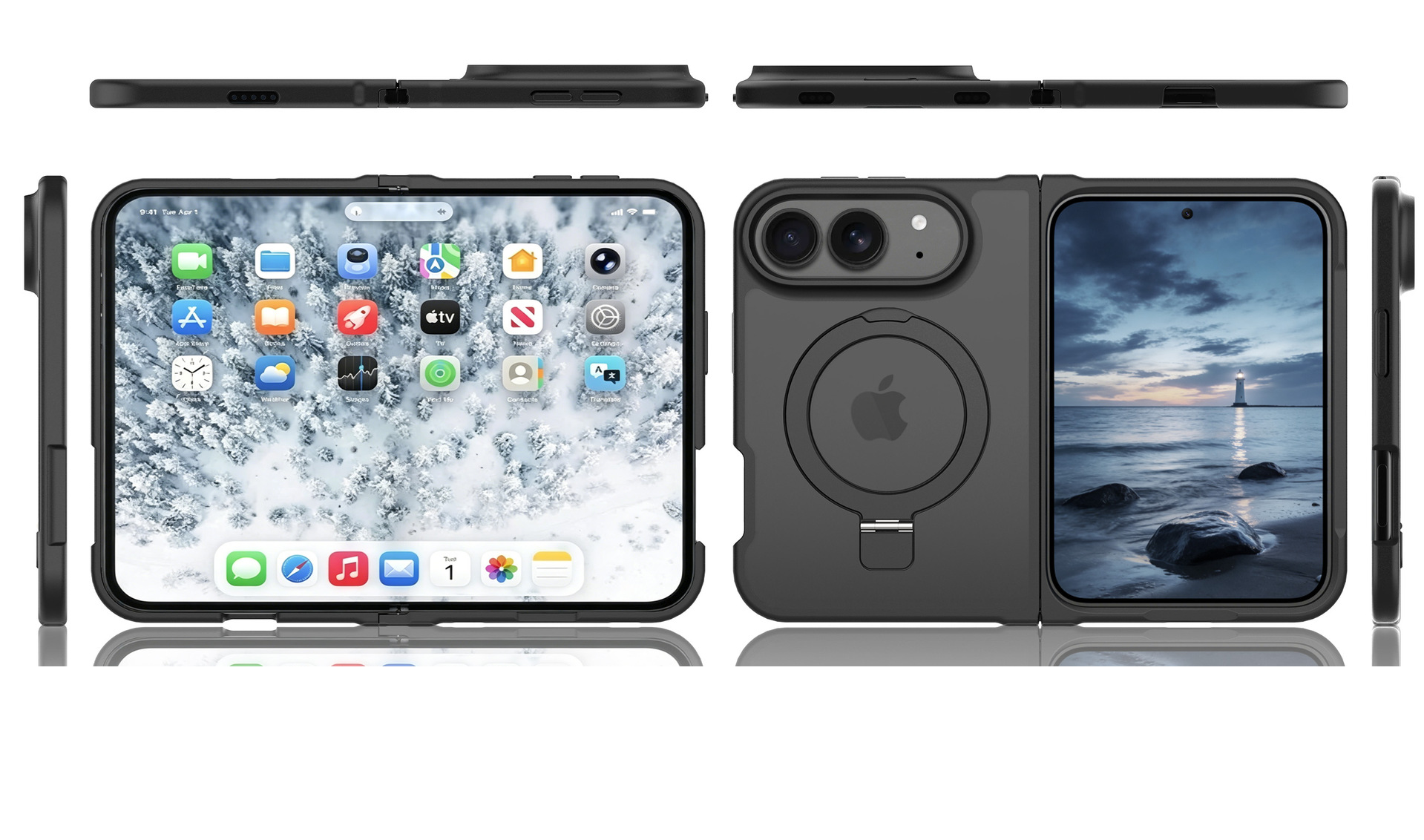
A customer who, under the influence of marketing, Applu will go buy the best and most modern from Samsung and choose the model "Ultra", so it will get a device with an older design philosophy (narrow external display). The real, wide and modern challenger to the iPhone will paradoxically be the "ordinary" base model Galaxy Z Fold8.
When prestige means only Ultra price
Splitting a product line into two such structurally different directions and labeling one of them as more premium is a huge risk. These phones differ in the very foundation of how they are used. The designation "Ultra" here does not indicate that the phone is objectively better, but only that it is different.
You might be interested in
A more cynical view of the whole situation offers another explanation. The introduction of the adjective Ultra may be just a rhetorical cover for Samsung to further increase prices. In the ecosystem of the Korean giant, the word Ultra most reliably defines Ultra price. Creating a new, even higher category gives the company the ideal alibi to justify the price tag, which will move up another notch.
Samsung has undoubtedly been unnerved by the impending arrival Appinto a segment that he himself had previously ruled. Instead of betting on a unique and clear name, he created a branding conundrum. When debates flare up after the premieres, the discussion is much more likely to degenerate into tired explanations of why customers who wanted a direct alternative to the iPhone left the store with a completely different type of phone than they originally expected.

What an idiotic writer, and someone buys a phone for 50 liters without seeing it? At least in a photo?