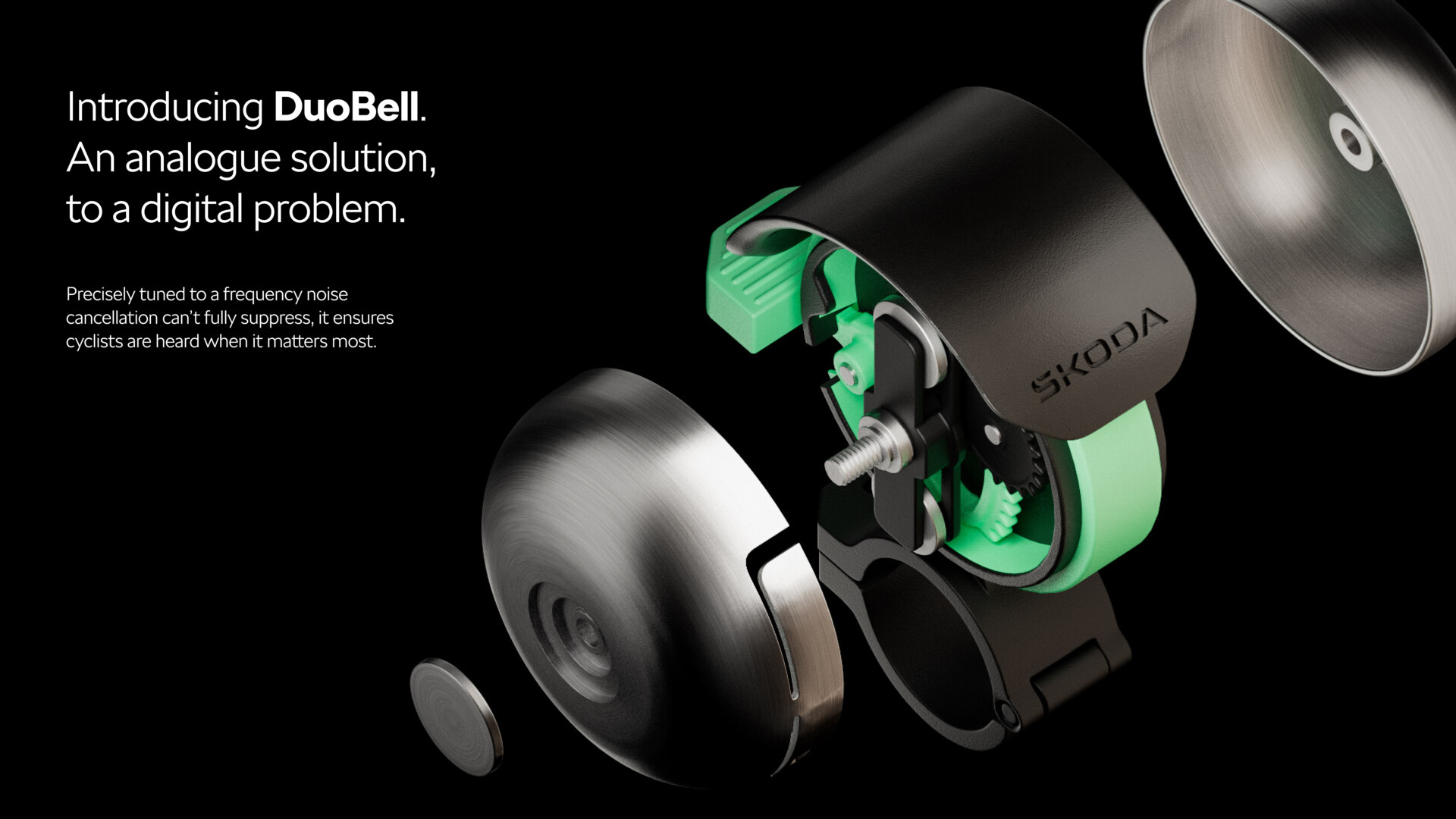
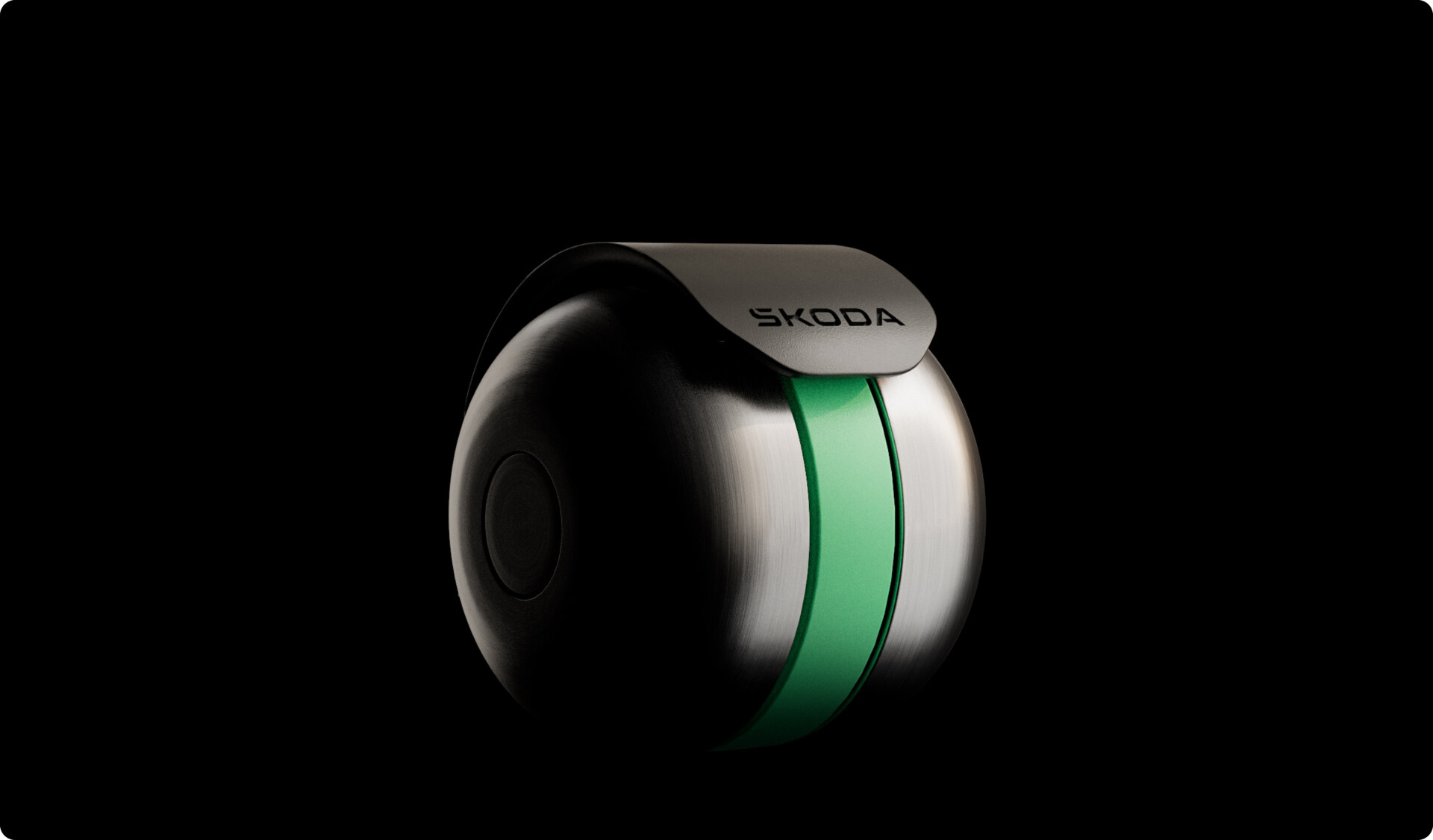
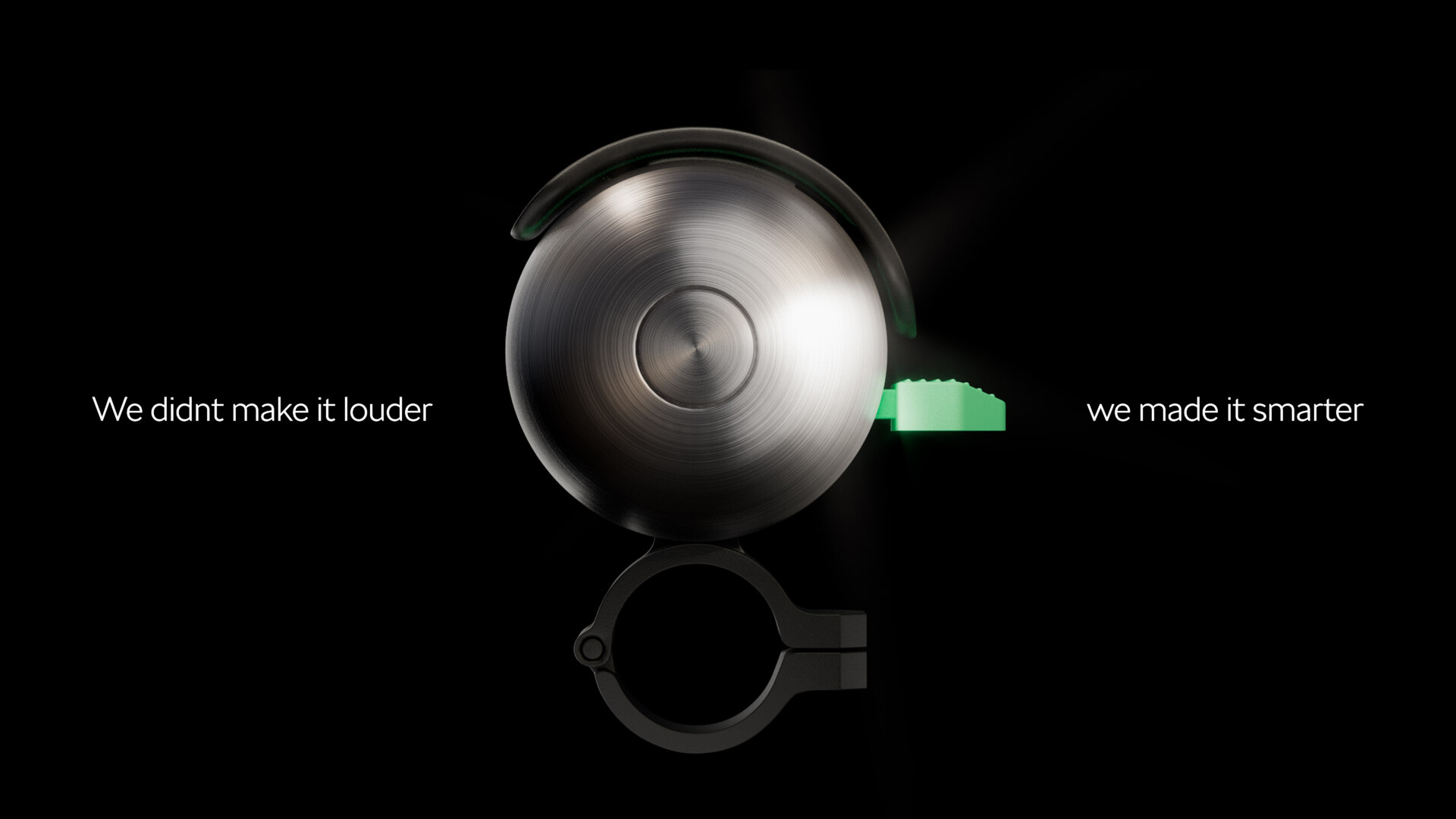
Modern headphones with active noise cancellation are a great companion for undisturbed listening, but they pose a significant safety risk in urban traffic. ANC algorithms are now so advanced that they can almost perfectly filter out common ambient sounds, including traditional bicycle bells. Czech car manufacturer Škoda, which has its roots in bicycle manufacturing, has therefore decided to solve this problem with a technological innovation – a mechanical bell DuoBell.
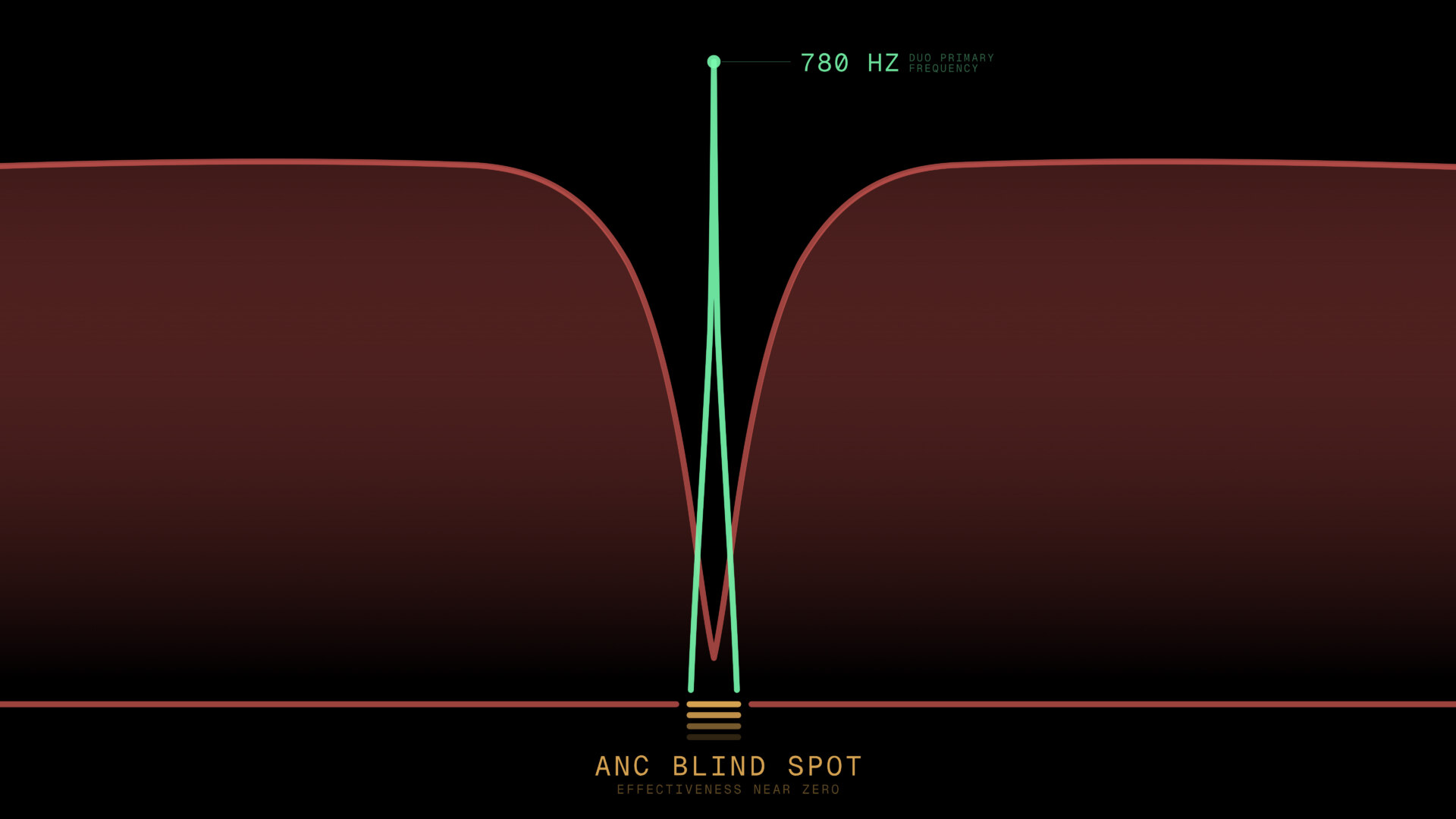
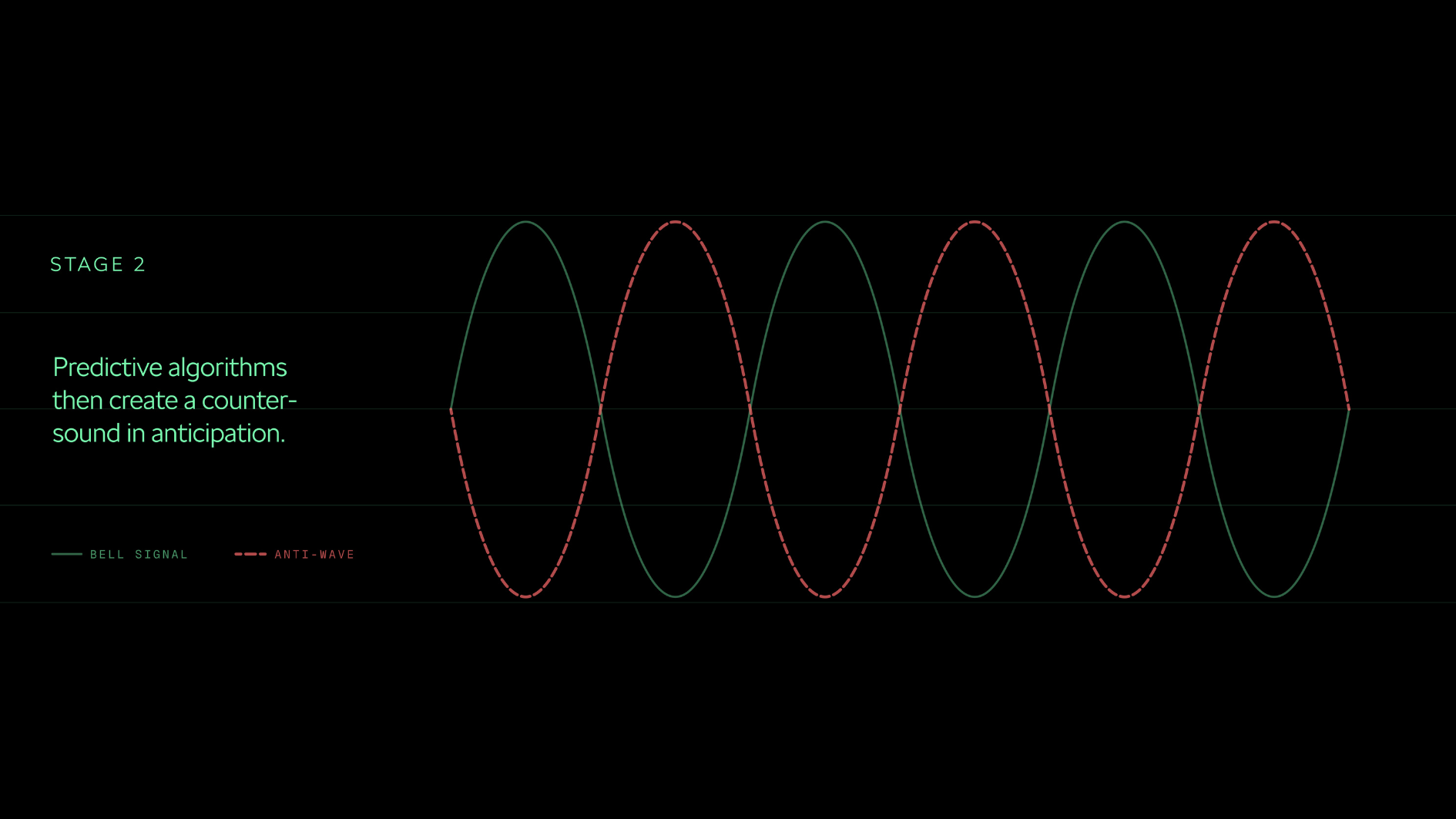
The basics of how a doorbell works DuoBell is a scientific research that has identified a weak point in the digital algorithms of current ANC headphones. The research has shown that there is a specific frequency window between 750 Hz and 780 Hz in which noise cancellation is least effective. Damage DuoBell is designed to target this very “gap.” Unlike regular doorbells, which are easily muffled by headphones, the sound DuoBellu will penetrate these algorithms, allowing pedestrians using headphones to hear the cyclist in time.
Dual resonator and irregular beat
To maximize the effect, it does not rely on DuoBell only on one frequency. The device uses several clever mechanical solutions:
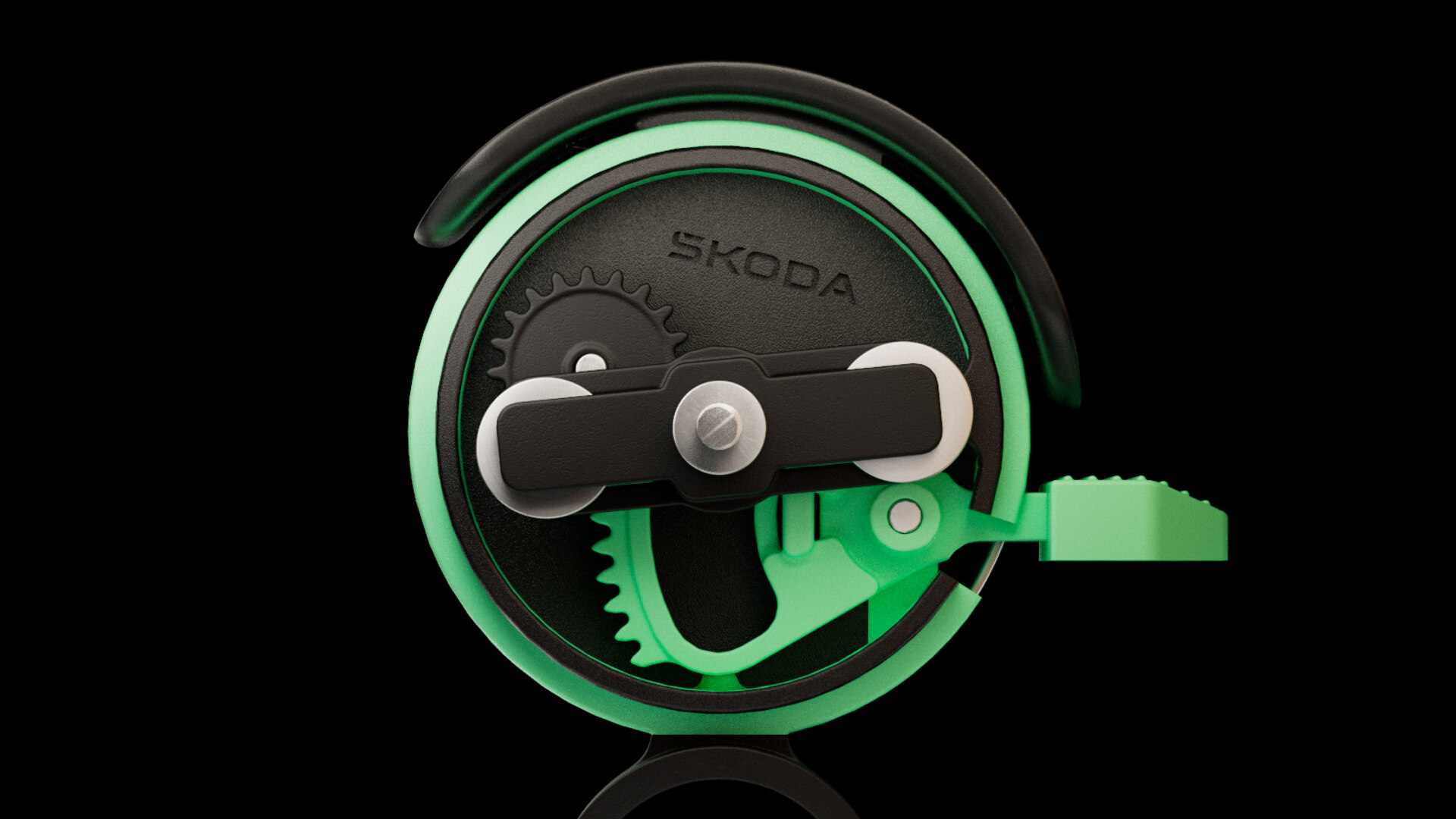
- Dual resonator system: A bell creates a specific acoustic spectrum that is difficult for digital filters to process.
- Irregular striking mechanism: While standard doorbells have a predictable sound, DuoBell exploits an irregularity that prevents ANC algorithms from identifying the sound as static noise and subsequently canceling it out.
Gallery


DuoBell is not just another accessory for cyclists, but an attempt to solve a real problem in road safety. While audio companies may improve their algorithms in the future, the goal of this initiatives is to stimulate discussion about the creation of a uniform standard. An industry-wide agreement to maintain this “safety gap” could significantly contribute to the protection of all road users who move around in noisy urban environments with headphones on.